As online investing continues to grow, Demat accounts have become an essential tool for buying, selling, and holding securities electronically. While digital investing offers convenience and speed, it also exposes investors to cybersecurity risks such as phishing attacks, identity theft, fake trading apps, and unauthorized account access.
Cybercriminals often target investors through fraudulent emails, fake customer support calls, malicious websites, and social engineering techniques to steal login credentials or initiate unauthorized transactions. Fortunately, most online frauds can be prevented by following good security practices and staying alert.
In this guide, we’ll discuss common Demat account frauds, warning signs, and practical steps you can take to protect your investments.
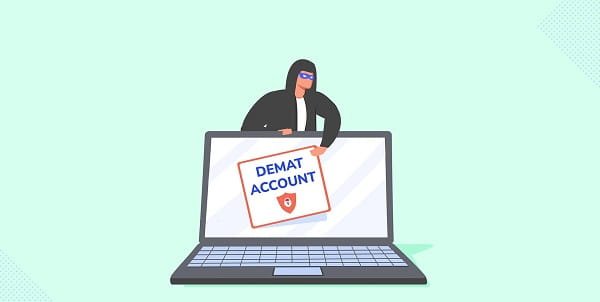
Why Is Demat Account Security Important?
Your Demat account contains valuable financial assets such as:
- Equity shares
- Exchange-Traded Funds (ETFs)
- Mutual funds
- Bonds
- Government securities
- Other investment holdings
If unauthorized individuals gain access to your account, they may attempt to transfer securities, misuse personal information, or carry out fraudulent transactions. Protecting your account is therefore just as important as safeguarding your bank account.
Common Types of Demat Account Frauds
Understanding common scams is the first step toward preventing them.
Phishing Emails
Fraudsters often send fake emails pretending to be your broker or bank.
These emails may ask you to:
- Reset your password.
- Verify your account.
- Click on a suspicious link.
- Download a malicious attachment.
Always verify the sender’s email address before responding.
Fake Trading Apps
Cybercriminals sometimes create fake versions of popular trading applications.
Downloading apps from unofficial sources can expose your login credentials and personal information.
Always install trading apps from:
- Google Play Store
- Apple App Store
- Your broker’s official website
OTP Fraud
Fraudsters may call or message investors pretending to represent the broker or regulatory authorities.
They may ask for:
- One-Time Password (OTP)
- Login password
- PIN
- Authentication code
Never share these details with anyone.
Fake Customer Support
Scammers often impersonate customer support executives and request remote access to your phone or computer.
They may ask you to install remote access software to “solve” an account issue.
Never allow unknown individuals to remotely access your device.
Public Wi-Fi Attacks
Logging into your Demat account over unsecured public Wi-Fi networks can increase the risk of data theft.
Avoid accessing your trading account through:
- Public cafés
- Airports
- Hotels
- Free public Wi-Fi hotspots
Use a trusted and secure internet connection whenever possible.
How to Protect Your Demat Account
Following basic cybersecurity practices can significantly reduce the risk of fraud.
Use Strong Passwords
Create passwords that are:
- Long and unique.
- A combination of uppercase and lowercase letters.
- Include numbers and special characters.
Avoid using easily guessed information such as birthdays or names.
Enable Two-Factor Authentication (2FA)
Most brokers offer two-factor authentication for added security.
This typically requires:
- Password
- OTP
- Biometric verification
- Device authentication
Even if someone knows your password, 2FA makes unauthorized access much more difficult.
Keep Your Mobile Number Updated
Your registered mobile number is used for:
- OTP verification
- Login alerts
- Transaction confirmations
- Security notifications
Always ensure your contact details are current.
Monitor Account Activity Regularly
Log in to your Demat account periodically to review:
- Holdings
- Transaction history
- Portfolio changes
- Recent login activity
Early detection of suspicious activity can help limit potential losses.
Download Official Apps Only
Always use:
- Official broker websites.
- Verified mobile applications.
- Trusted app stores.
Avoid downloading trading software from unknown websites or third-party links.
Verify Every Transaction
Most brokers send transaction alerts through:
- SMS
- Mobile notifications
Review every notification carefully.
If you notice a transaction you didn’t authorize, contact your broker immediately.
Keep Your Devices Secure
Your computer and smartphone should also be protected.
Recommended practices include:
- Install antivirus software.
- Keep your operating system updated.
- Update trading apps regularly.
- Enable screen lock and biometric authentication.
- Avoid installing unknown applications.
A secure device is the first line of defense against cyber threats.
Beware of Social Engineering
Many frauds occur because scammers manipulate investors into revealing confidential information.
Be cautious if someone claims to be:
- A broker representative.
- A bank employee.
- A government official.
- A stock market expert.
Legitimate organizations will never ask for:
- Security codes.
If in doubt, disconnect the call and contact your broker using official customer support channels.
Secure Your Email Account
Your email account is often linked to your Demat account.
Protect it by:
- Using a strong password.
- Enabling two-factor authentication.
- Reviewing login history regularly.
- Avoiding suspicious email attachments.
A compromised email account may allow fraudsters to reset your trading account password.
Avoid Sharing Sensitive Information
Never share:
- Client ID
- Login password
- OTP
- TPIN
- Authentication codes
- Security questions
Even if the caller appears convincing, always verify their identity independently.
Use Trusted Browsers and Devices
Whenever possible:
- Access your Demat account from your personal device.
- Avoid cyber cafés and shared computers.
- Use updated web browsers.
- Log out after every session.
These simple habits reduce the risk of unauthorized access.
What Should You Do If You Suspect Fraud?
If you believe your account has been compromised:
Contact Your Broker Immediately
Report the issue without delay.
Many brokers provide dedicated fraud reporting helplines.
Change Your Password
Reset your:
- Trading account password.
- Email password.
- Internet banking password (if linked).
Freeze the Account if Necessary
Some brokers can temporarily restrict account activity while investigating suspicious transactions.
Review Recent Transactions
Check for:
- Unauthorized share transfers.
- Unknown trades.
- Profile changes.
Prompt reporting improves the chances of preventing further misuse.
Common Mistakes Investors Should Avoid
Many online frauds succeed because investors make avoidable mistakes.
Avoid:
- Sharing OTPs over the phone.
- Clicking unknown links.
- Using weak passwords.
- Downloading unofficial trading apps.
- Ignoring transaction alerts.
- Logging in through public Wi-Fi.
- Allowing remote access to your device.
Being cautious can significantly reduce your exposure to cyber threats.
Best Practices for Safe Investing
To keep your Demat account secure:
- Review your portfolio regularly.
- Enable all available security features.
- Keep your registered contact information updated.
- Download statements periodically.
- Verify every transaction alert.
- Stay informed about new online scams.
Good digital hygiene is just as important as choosing the right investments.
Conclusion
A Demat account provides a convenient and secure way to invest in the stock market, but protecting it from online fraud requires constant vigilance. Cybercriminals are continually developing new methods to target investors, making it essential to follow strong cybersecurity practices.
By using strong passwords, enabling two-factor authentication, downloading only official trading apps, avoiding suspicious links, and regularly monitoring your account activity, you can significantly reduce the risk of fraud. Staying informed and acting quickly if you notice any unusual activity will help safeguard your investments and provide greater peace of mind.
FAQs
Q1. What is the most common Demat account fraud?
A: Some of the most common frauds include phishing emails, fake trading apps, OTP scams, impersonation of customer support representatives, and unauthorized access through stolen login credentials.
Q2. Is it safe to access my Demat account through public Wi-Fi?
A: It is generally not recommended. Public Wi-Fi networks may not be secure and can increase the risk of unauthorized access. Use a trusted private network whenever possible.
Q3. Should I share my OTP with my broker’s customer support?
A: No. Legitimate brokers and financial institutions will never ask for your OTP, password, TPIN, or other confidential authentication details.
Q4. How can I know if someone has accessed my Demat account?
A: Regularly review your login history, transaction records, portfolio holdings, and SMS or email alerts. Any unfamiliar activity should be reported to your broker immediately.
Q5. What should I do if I suspect unauthorized activity in my Demat account?
A: Contact your broker without delay, change your account passwords, review recent transactions, and request temporary account restrictions if necessary. Prompt action can help prevent further unauthorized activity and protect your investments.