Sarang Street is a narrow yet renowned commercial street in the historic Fort area of South Mumbai. It is famously known as Mumbai’s hub for musical instruments. The street derives its name from the “Sarang,” a traditional Indian string instrument, and has earned a special place among musicians, music students, teachers, and enthusiasts across the country. Lined with shops selling a wide range of classical and modern musical instruments — from sitars, tablas, harmoniums, and sarods to guitars, keyboards, drums, and accessories — Sarang Street offers a unique shopping experience steeped in musical heritage. The street’s vibrant yet intimate character, filled with the sound of tuning instruments and passionate discussions, makes it a cultural landmark for the city’s music community.
Prime Location in Fort, South Mumbai
Sarang Street is located in the Fort precinct, one of Mumbai’s oldest and most prestigious commercial districts. It lies near the iconic Horniman Circle and is a short walk from Chhatrapati Shivaji Maharaj Terminus (CSMT) and the bustling business areas of Ballard Estate and Fort.
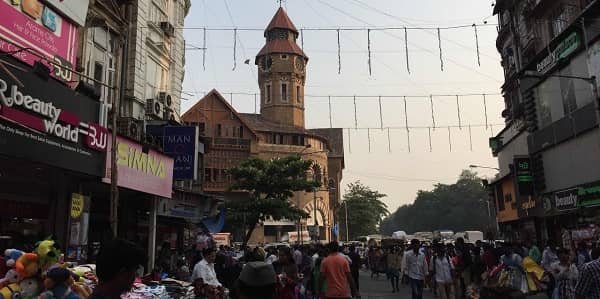
The street runs as a relatively short lane packed with specialized music shops on both sides. Its central-south Mumbai location places it in the heart of the city’s financial and cultural zone. The area around Sarang Street blends colonial-era architecture with active commercial life. Proximity to major institutions, colleges, and cultural venues ensures a steady flow of customers, including professional musicians, music schools, orchestras, and hobbyists. While the main street is dedicated to musical instruments, the surrounding lanes support related businesses such as music bookshops, recording equipment stores, and repair workshops. The locality maintains a classic old Mumbai charm with narrow streets, heritage buildings, and a strong sense of tradition.
Excellent Connectivity
Sarang Street benefits from exceptional connectivity as it is situated in the core of South Mumbai.
Road Connectivity:
The street connects easily to major roads such as P D’Mello Road, Nagar Chowk, and is very close to the Eastern Express Highway. It provides smooth access to Colaba, Marine Drive, Churchgate, and other parts of South Mumbai.
Public Transport:
- Rail: Chhatrapati Shivaji Maharaj Terminus (CSMT) is just a 5–10 minute walk away. Churchgate and Mumbai Central stations are also conveniently close.
- Metro: The upcoming metro lines in South Mumbai will further strengthen connectivity in the coming years.
- Bus: BEST buses serve multiple routes along P D’Mello Road and nearby areas, connecting to all parts of Mumbai.
- Other Modes: Taxis, Ola, Uber, and autos are readily available throughout the day.
Its central position ensures travel times of 30–75 minutes from most suburbs, making it highly accessible for musicians and buyers from across the city.
Routes to Reach Sarang Street
Reaching Sarang Street is simple due to its prominent location near major landmarks:
- From CSMT Station: A pleasant 5–10 minute walk via the east side or through Horniman Circle.
- From Churchgate Station: Cab or bus ride via Vir Nariman Road and Nagar Chowk (8–12 minutes).
- From Ballard Estate: Just a few minutes’ walk.
- From Airport: Direct cab via Eastern Express Highway or Western Express Highway (60–90 minutes depending on traffic).
- From Bandra / Western Suburbs: Drive via Sea Link and connect to P D’Mello Road (45–70 minutes).
Navigation apps provide accurate real-time guidance. The best approach is via Horniman Circle or P D’Mello Road. Since the street is narrow, parking is limited, and visitors are advised to use public transport or park in nearby paid facilities.
Gates and Access Points
Sarang Street is an open public street without formal gates or entry barriers. It features multiple natural access points connecting to Horniman Circle, P D’Mello Road, and adjoining lanes.
Vehicle entry is restricted in the core stretch due to heavy pedestrian movement and narrow width. Most visitors walk in after parking nearby. The street is well-lit with CCTV coverage in several sections and has regular police presence during business hours. The open design allows free movement from one end to the other, though it can feel crowded during peak shopping times. No entry fees apply, maintaining its traditional market character.
Facilities and Amenities
Sarang Street offers specialized facilities focused on music and related needs:
Shopping Facilities:
The street is home to numerous reputed shops selling Indian classical instruments (sitar, tabla, sarod, harmonium, flute, veena), Western instruments (guitars, keyboards, drums, violins), and accessories like strings, reeds, cases, and sheet music. Many shops also provide instrument repair, customization, and rental services. Prices range from affordable student models to professional-grade instruments.
Support Services:
Several shops offer expert guidance on instrument selection and maintenance. Music teachers and academies are often located in the vicinity, making the street a one-stop destination for musicians.
Other Amenities:
- Limited dedicated parking (better to use public parking near CSMT or Horniman Circle).
- ATMs and basic banking facilities nearby.
- Small eateries and Irani cafes offering quick refreshments.
- Public restrooms in surrounding commercial buildings.
- Good street lighting supporting evening visits.
The street is most active from 10 AM to 8 PM, with peak energy in the evenings when musicians and students visit after college or work.
FAQs
Q1: What is Sarang Street famous for?
It is Mumbai’s premier destination for musical instruments, especially Indian classical instruments like the sarang, tabla, and sitar.
Q2: What are the typical operating hours?
Most shops open around 10:00 AM and close by 8:00 PM. Sunday is usually a half-day or holiday for many stores.
Q3: Is parking available?
Parking is limited. It is advisable to use public transport or nearby paid parking facilities.
Q4: Can I get instruments repaired here?
Yes, many shops provide expert repair and maintenance services for various instruments.
Q5: Nearest railway station?
Chhatrapati Shivaji Maharaj Terminus (CSMT) is the closest and most convenient.
Q6: Is bargaining common?
Yes, especially for higher-value purchases. Polite negotiation often yields better deals.
Q7: Is it suitable for beginners?
Absolutely. Several shops cater to students and beginners with affordable instruments and guidance.
Q8: Are there food options nearby?
Yes, Irani cafes, small restaurants, and street vendors offer quick and affordable meals.
Q9: Is the area safe for visitors?
Yes, it is generally safe during business hours due to high commercial activity and police presence.
Q10: Best time to visit?
Weekdays between 11 AM and 6 PM for a relatively less crowded experience and better attention from shop owners.
Why Visit Sarang Street?
Sarang Street holds a special place in Mumbai’s cultural landscape as a dedicated haven for music lovers and musicians. Its prime location in historic Fort, exceptional connectivity via India’s busiest railway terminus, easy access routes, open-street design, and specialized facilities make it an essential destination for anyone passionate about music.
Whether you are a professional musician upgrading your instrument, a student beginning lessons, a parent buying a child’s first keyboard, or simply exploring Mumbai’s hidden cultural gems, Sarang Street offers an authentic and enriching experience. In a fast-changing city, this narrow lane preserves the soul of traditional music commerce while adapting to modern needs. A visit here is not merely shopping — it is an immersion into Mumbai’s rich artistic heritage and living musical tradition.