Meghalaya, popularly known as the “Abode of Clouds,” is one of Northeast India’s most picturesque states. Famous for its misty hills, living root bridges, cascading waterfalls, and vibrant tribal culture, Meghalaya is also home to a fascinating culinary tradition. The food of the state is deeply influenced by its three major indigenous communities—the Khasi, Jaintia, and Garo tribes.
Traditional Meghalayan cuisine is simple, wholesome, and prepared using fresh, locally sourced ingredients. Unlike many Indian regional cuisines, it uses very little oil and fewer spices, allowing the natural flavors of meat, vegetables, and herbs to shine. Rice is the staple food, while pork, fish, bamboo shoots, fermented soybeans, and local greens are commonly used in daily meals.
If you’re looking to discover the authentic flavors of Northeast India, here are the top five traditional foods of Meghalaya that every food enthusiast should try.
1. Jadoh
Jadoh is the most famous traditional dish of Meghalaya and is widely regarded as the state’s signature food.
Prepared primarily by the Khasi community, Jadoh is a flavorful rice dish cooked with pork, onions, ginger, turmeric, black pepper, and local spices. Some traditional versions also include pork liver and other cuts of meat, adding richness to the dish.
Unlike spicy biryanis or pulaos, Jadoh focuses on natural flavors and perfectly cooked rice. It is commonly served during festivals, family gatherings, and everyday meals.
Simple yet satisfying, Jadoh offers the perfect introduction to Meghalaya’s unique culinary traditions.
2. Dohneiiong
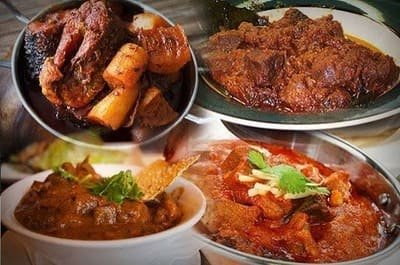
Dohneiiong is one of Meghalaya’s most loved pork dishes and a specialty of Khasi cuisine.
The dish is prepared by slow-cooking tender pork with black sesame seeds, onions, ginger, garlic, and local herbs. The ground sesame seeds create a thick, nutty gravy that gives the curry its distinctive flavor and aroma.
Served with steamed rice, Dohneiiong is a comforting and hearty meal that showcases the state’s preference for pork-based dishes. Its rich texture and earthy taste make it one of the finest traditional recipes of Meghalaya.
3. Tungrymbai
Tungrymbai is a unique fermented soybean dish that plays an important role in Khasi cuisine.
Fermented soybeans are cooked with pork, onions, ginger, garlic, green chilies, and local herbs to create a rich and flavorful preparation. Although the fermented soybeans have a strong aroma, they develop a delicious umami flavor that is highly appreciated by locals.
Rich in protein and nutrients, Tungrymbai is commonly served with steamed rice and is considered both healthy and satisfying.
For adventurous food lovers, this dish offers an authentic taste of Meghalaya’s traditional food culture.
4. Dohkhlieh
Dohkhlieh is a refreshing pork salad that is especially popular among the Khasi people.
Prepared using finely chopped boiled pork, onions, green chilies, coriander, and fresh herbs, Dohkhlieh is lightly seasoned to preserve the natural flavor of the meat. Some variations also include boiled eggs, lemon juice, or roasted sesame seeds.
Unlike heavy curries, Dohkhlieh is light, refreshing, and often served as a side dish or snack. It provides a wonderful balance to richer meat dishes and demonstrates the simplicity that defines Meghalayan cuisine.
Its fresh ingredients and clean flavors make it a favorite among both locals and visitors.
5. Pukhlein
No culinary journey through Meghalaya is complete without tasting Pukhlein, one of the state’s traditional sweet snacks.
Pukhlein is prepared using rice flour and jaggery, which are mixed into a thick batter and deep-fried until golden brown. The result is a crispy exterior with a soft, mildly sweet interior.
Commonly enjoyed with tea, Pukhlein is prepared during festivals, family celebrations, and special occasions. Its simple ingredients and delightful taste make it one of Meghalaya’s most cherished homemade treats.
This traditional snack offers the perfect ending to a hearty Meghalayan meal.
What Makes Meghalayan Cuisine Unique?
The cuisine of Meghalaya is unique because it emphasizes freshness, simplicity, and locally available ingredients. Instead of relying on heavy spice blends, traditional recipes highlight the natural flavors of pork, fish, vegetables, bamboo shoots, fermented soybeans, and indigenous herbs.
Rice serves as the staple food, while traditional cooking methods such as boiling, smoking, steaming, and slow cooking preserve both nutrition and flavor. Fermented ingredients like Tungrymbai add a distinctive depth to many dishes, reflecting the culinary traditions of the Khasi, Jaintia, and Garo communities.
The food also reflects the close relationship between the people and their natural environment, with seasonal produce playing an important role in everyday cooking.
Conclusion
The traditional food of Meghalaya offers a delightful blend of authentic tribal flavors, wholesome ingredients, and time-honored cooking techniques. From the iconic Jadoh and rich Dohneiiong to the nutritious Tungrymbai, refreshing Dohkhlieh, and sweet Pukhlein, each dish tells the story of the state’s vibrant cultural heritage.
Whether you’re planning a trip to Northeast India or exploring regional cuisines from your own kitchen, these five traditional dishes provide the perfect introduction to Meghalaya’s remarkable food culture. Their natural flavors, nutritional value, and cultural significance make Meghalayan cuisine one of India’s most unique and rewarding culinary experiences.