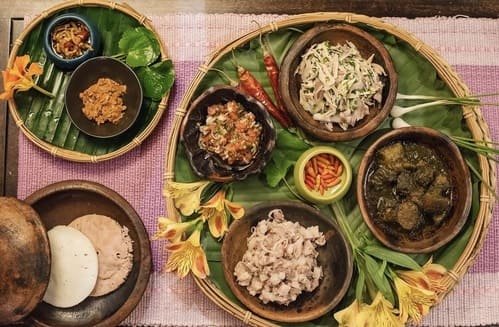
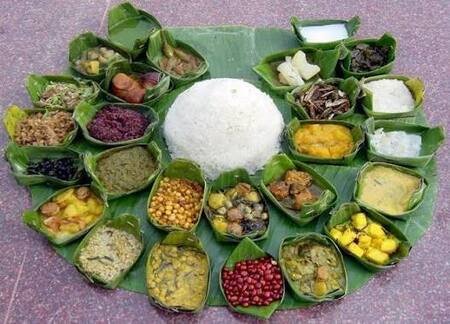
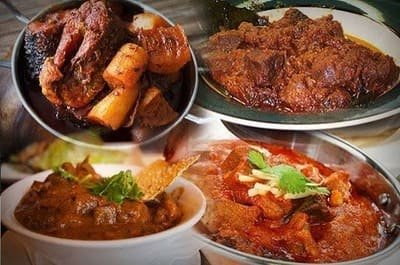
Mizoram, nestled in the lush hills of Northeast India, is known for its breathtaking landscapes, vibrant tribal culture, and warm hospitality. While the state is often admired for its scenic beauty, its traditional cuisine is equally fascinating. Mizo food is simple, healthy, and deeply connected to nature, with an emphasis on fresh vegetables, rice, smoked meat, bamboo shoots, and locally available herbs.
Unlike many Indian cuisines that rely heavily on oil and spices, the traditional food of Mizoram is prepared using minimal seasoning to preserve the natural flavors of the ingredients. Steaming, boiling, and smoking are the most common cooking techniques, making Mizo cuisine one of the healthiest regional cuisines in India.
If you’re interested in discovering the authentic flavors of Northeast India, here are the top five traditional foods of Mizoram that every food lover should try.
1. Bai
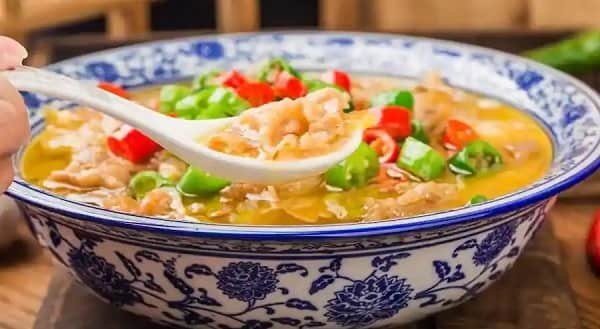
Bai is the most famous traditional dish of Mizoram and is considered the heart of Mizo cuisine.
This wholesome stew is prepared by boiling a variety of seasonal vegetables, bamboo shoots, leafy greens, and herbs. It often includes pork or smoked meat and is flavored with fermented soybean or fermented pork fat, depending on regional preferences.
Unlike spicy curries, Bai focuses on preserving the natural taste of fresh ingredients. It is typically served with steamed rice and forms an essential part of everyday meals in Mizo households.
Nutritious, comforting, and simple, Bai perfectly represents the philosophy of traditional Mizo cooking.
2. Sawhchiar
Sawhchiar is one of the most popular comfort foods in Mizoram.
This traditional rice-based dish is prepared by cooking rice with chicken, pork, or beef along with ginger and locally available herbs. The slow-cooked mixture creates a soft, porridge-like consistency that is both filling and easy to digest.
Sawhchiar is commonly served during festivals, family gatherings, and special occasions. It is also appreciated as a comforting meal during cooler weather due to its warm and nourishing qualities.
Its simple ingredients and satisfying flavor make Sawhchiar a favorite across the state.
3. Vawksa Rep
Vawksa Rep is a traditional smoked pork dish that showcases one of Mizoram’s oldest cooking techniques.
The pork is carefully smoked over a wood fire before being cooked with local herbs, ginger, and vegetables. Smoking not only enhances the flavor but also helps preserve the meat for longer periods, an important practice in the hilly regions of Mizoram.
The rich smoky aroma combined with the tenderness of the pork creates a unique culinary experience. Vawksa Rep is usually served with steamed rice and seasonal vegetables.
It remains one of the most cherished meat dishes in Mizo cuisine.
4. Bamboo Shoot Curry
Bamboo shoots are an essential ingredient in many traditional dishes of Mizoram.
Fresh or fermented bamboo shoots are cooked with pork, chicken, fish, or vegetables to create flavorful curries and stews. Their mildly tangy flavor adds depth and freshness to the dish without overpowering the other ingredients.
Besides their unique taste, bamboo shoots are rich in dietary fiber, vitamins, and minerals, making them a healthy addition to the Mizo diet.
Bamboo Shoot Curry beautifully reflects the state’s close relationship with nature and its abundant forest resources.
5. Chhangban
Chhangban is a traditional Mizo snack that is especially popular during festivals and family celebrations.
Prepared from sticky rice, the mixture is wrapped in banana leaves and steamed until soft and aromatic. The banana leaves impart a subtle fragrance that enhances the natural flavor of the rice.
Chhangban is often enjoyed with tea or served alongside savory dishes during cultural events. Its simple preparation and wholesome taste make it one of Mizoram’s most beloved traditional foods.
The dish also symbolizes the importance of rice in the daily life and culinary traditions of the Mizo people.
What Makes Mizo Cuisine Unique?
Mizo cuisine is unique because it emphasizes simplicity, freshness, and nutrition rather than heavy spices or rich gravies. Most traditional recipes use locally grown vegetables, bamboo shoots, rice, smoked meat, and indigenous herbs that are readily available in the region.
Cooking methods such as steaming, boiling, and smoking help preserve the natural flavors and nutritional value of the ingredients. Fermented products are also commonly used to add depth and complexity to dishes without relying on excessive spices.
The cuisine reflects the sustainable lifestyle of the Mizo people, who make excellent use of seasonal produce and locally sourced ingredients. Every meal highlights the harmony between food, culture, and nature.
Conclusion
The traditional food of Mizoram offers a refreshing culinary experience that celebrates natural flavors, healthy ingredients, and centuries-old cooking traditions. From the wholesome Bai and comforting Sawhchiar to the smoky Vawksa Rep, flavorful Bamboo Shoot Curry, and delightful Chhangban, each dish showcases the authenticity of Mizo cuisine.
Whether you’re planning to visit Mizoram or exploring the diverse regional cuisines of India from your own kitchen, these five traditional dishes provide the perfect introduction to the state’s remarkable food culture. Their nutritious ingredients, simple preparation, and unique flavors make Mizo cuisine a hidden gem that every food enthusiast should experience.