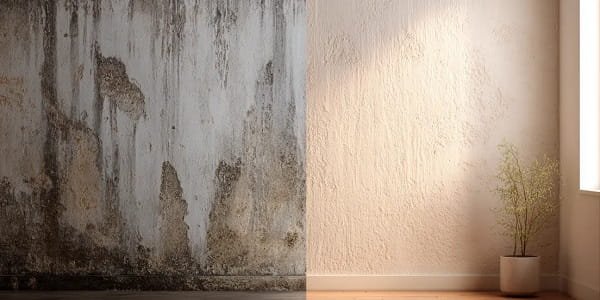
Plumbing issues are among the most frequent household headaches in India. With diverse climates, hard water in many regions, aging infrastructure, and rapid urbanization, Indian homes—from bustling Mumbai apartments to Delhi NCR villas and smaller towns—regularly face leaks, blockages, and water pressure problems. These issues not only waste precious water but can also cause structural damage, health hazards, and high repair bills if ignored. Understanding common plumbing problems and their practical solutions empowers homeowners to act quickly and prevent escalation.
This comprehensive guide covers the most prevalent plumbing challenges in Indian households and provides DIY-friendly as well as professional solutions tailored to local conditions.
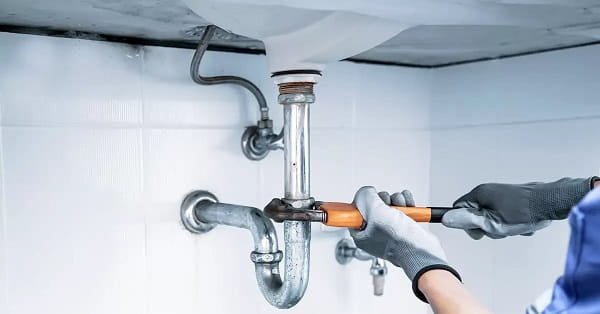
1. Low Water Pressure
Low water pressure is extremely common, especially in multi-storey buildings and areas with municipal supply inconsistencies.
Causes:
- Clogged pipes due to mineral deposits from hard water (prevalent in Rajasthan, Gujarat, Karnataka, etc.).
- Leakage in underground lines.
- Faulty pressure regulators or air locks in the system.
- Overuse during peak hours in apartments.
Solutions:
- Clean aerators and showerheads by soaking them in vinegar solution for a few hours.
- Install a pressure booster pump, widely available and effective for Indian homes.
- Check for hidden leaks by monitoring water meter readings when all taps are off.
- For persistent issues, consult a plumber to inspect and replace clogged pipelines or install whole-house filters.
2. Clogged Drains and Slow Draining Sinks
Kitchen sinks and bathroom drains frequently get blocked due to oil, food particles, hair, soap scum, and cultural practices like pouring leftover milk or rice water.
Causes:
- Grease buildup in kitchen pipes.
- Hair and debris in bathroom drains.
- Tree roots intruding into sewer lines in independent houses.
- Old, corroded pipes.
Solutions:
- Natural DIY Methods: Pour a mixture of baking soda and vinegar, followed by hot water. Use a plunger or plumber’s snake for stubborn clogs.
- Avoid chemical drain cleaners regularly as they damage pipes over time.
- Install mesh strainers in sinks and clean them daily.
- For kitchen drains, use enzyme-based cleaners that break down organic matter safely.
- Severe blockages require professional hydro-jetting or pipe inspection with cameras.
3. Leaking Taps and Faucets
A dripping tap can waste hundreds of litres of water every month—an unaffordable loss in water-scarce cities.
Causes:
- Worn-out rubber washers or cartridges.
- Corrosion due to hard water.
- Loose connections.
Solutions:
- Replace the washer or cartridge yourself (widely available at local hardware stores for ₹50–200).
- For modern ceramic disc faucets, replace the entire cartridge.
- Apply plumber’s tape on threads for better sealing during reinstallation.
- Upgrade to sensor-based or lever taps that reduce daily wear.
4. Toilet Problems (Running or Clogged Toilets)
Indian toilets, especially in older homes, suffer from continuous running flushes or frequent clogging.
Causes:
- Faulty float valve or flapper in the cistern.
- Blockages from excessive toilet paper or sanitary products (though Indian-style toilets reduce paper use).
- Low-quality flush tanks.
Solutions:
- Adjust or replace the ballcock/float valve inside the tank.
- Use a plunger or closet auger for clogs.
- Install dual-flush systems or water-saving cisterns to reduce consumption.
- For recurring issues, replace the entire flush mechanism or consider a modern wall-mounted toilet.
5. Burst or Leaking Pipes
Monsoons and extreme temperature variations often cause pipes to burst or leak, especially in exposed areas.
Causes:
- Freezing in northern winters (rare but possible) or pressure buildup.
- Corrosion in galvanized iron pipes common in older constructions.
- Poor installation or inferior quality PVC pipes.
Solutions:
- Temporary fix: Use epoxy putty or pipe repair tape.
- Permanent solution: Replace damaged sections with CPVC or PEX pipes, which are more flexible and corrosion-resistant.
- Insulate exposed pipes during extreme weather.
- Regular inspection of pipe joints before monsoon season is highly recommended.
6. Hard Water Issues and Scale Buildup
Hard water, rich in calcium and magnesium, is a major problem across large parts of India.
Causes: High mineral content leading to scale in geysers, showers, and pipes.
Solutions:
- Install water softeners or magnetic scale preventers.
- Use vinegar or citric acid descaling solutions for geysers and faucets monthly.
- RO water purifiers with pre-filters help, but whole-house softeners are better for plumbing longevity.
7. Sewer Line Blockages and Bad Odors
Foul smells from drains and frequent backups indicate deeper sewer issues.
Solutions:
- Use baking soda + salt + hot water treatment weekly.
- Professional sewer line cleaning every 1–2 years.
- Avoid flushing non-degradable items.
Preventive Measures for Indian Homes
- Annual Plumbing Audits: Hire a professional before and after monsoon.
- Quality Materials: Use ISI-marked pipes and fittings during repairs.
- Water Pressure Management: Install pressure-reducing valves in high-pressure areas.
- Smart Habits: Teach family members not to pour oils, chemicals, or solids into drains.
- Modern Upgrades: Consider tankless water heaters, smart leak detectors, and modular plumbing systems in new constructions.
- Vastu Aspect: Many families ensure proper slope and placement of plumbing lines as per traditional guidelines.
When to Call a Professional Plumber
While many minor issues can be handled DIY, persistent leaks, multiple clogged drains, or low pressure throughout the house require expert intervention. Always choose licensed plumbers with good local reviews to avoid substandard work.
Conclusion
Common plumbing problems in Indian homes are often predictable and preventable with timely care, right materials, and awareness of local water and weather conditions. Addressing issues early saves water, reduces electricity bills (from overworking pumps and geysers), and prevents costly structural damage. By adopting simple maintenance routines and investing in quality upgrades, you can ensure a smooth, leak-free plumbing system that supports comfortable daily living. Whether you live in a metro apartment or an independent house, proactive plumbing care is an essential part of responsible homeownership in India.
FAQ
Q1: How do I fix low water pressure in my Indian apartment?
A: Clean aerators, check for leaks, and install a pressure booster pump. Consult the society plumber for building-level issues.
Q2: What is the best natural way to unclog drains?
A: Use baking soda and vinegar followed by hot water. Repeat as needed and install strainers to prevent future clogs.
Q3: Why do taps leak frequently in India?
A: Hard water and poor-quality washers are the main reasons. Replace washers regularly or upgrade to better faucets.
Q4: How often should I service my plumbing system?
A: At least once a year, preferably before and after the monsoon season.
Q5: Are PVC pipes better than GI pipes?
A: Yes, CPVC or uPVC pipes are more durable, corrosion-resistant, and suitable for Indian conditions compared to old galvanized iron pipes.
Q6: How can I prevent hard water damage to my plumbing?
A: Install a water softener or use descaling solutions regularly on geysers and fixtures.
Q7: What should I do if I smell sewage in my bathroom?
A: Check for dry traps (pour water in drains), clean the U-bend, or call a plumber for sewer line inspection.