Dampness and seepage are among the most common and frustrating problems faced by homeowners across India. From peeling paint and mold growth to structural weakening and health issues, unchecked moisture can cause significant damage and expensive repairs. High humidity, heavy monsoons, poor drainage, and substandard construction make Indian homes particularly vulnerable. Protecting walls from dampness is not just about aesthetics — it is essential for the structural integrity, hygiene, and longevity of your home.
This comprehensive guide offers practical solutions for both new constructions and existing homes, helping you tackle dampness effectively.
Understanding the Causes of Dampness and Seepage
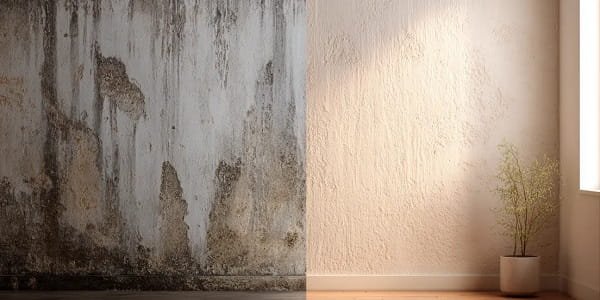
Dampness occurs when moisture penetrates walls through capillary action, leaks, or condensation. Common causes in India include:
- Heavy rainfall and poor external waterproofing
- Rising damp from groundwater (especially in low-lying areas)
- Leaking pipes, roofs, or terraces
- Poorly sealed windows and joints
- Inadequate slope in bathrooms and terraces
- Use of low-quality construction materials
Coastal cities like Mumbai, Chennai, and Kolkata face severe humidity-related issues, while northern cities deal with both monsoon seepage and winter condensation.
Preventive Measures During New Construction
The best time to fight dampness is during the building stage:
- Effective Waterproofing System Apply high-quality cementitious or polymer-based waterproofing coatings on terraces, roofs, and external walls before plastering. Popular products include Dr. Fixit Pidiproof LW, Sunanda Polyalk WP, or BASF MasterSeal.
- Proper Drainage and Slope Ensure all terraces, balconies, and bathrooms have a minimum slope of 1:100 towards drainage outlets. Install proper rain gutters and downpipes.
- Damp Proof Course (DPC) Install a damp proof membrane at the plinth level to prevent rising moisture from the ground.
- Quality Materials Use waterproofing admixtures in concrete and plaster. Opt for moisture-resistant gypsum boards or AAC blocks where suitable.
- Cavity Walls In high-rainfall areas, consider cavity wall construction with proper weep holes for better moisture management.
Solutions for Existing Homes
If your home already shows signs of dampness (patches, mold, blistering paint, or musty smell), act quickly:
Step-by-Step Protection Guide:
- Identify and Fix the Source Inspect roofs, terraces, pipes, and external walls for leaks. Repair cracks, reseal joints, and fix plumbing issues first.
- Surface Preparation Remove loose paint, mold, and efflorescence using a wire brush or scraper. Clean thoroughly and let the surface dry completely.
- Apply Waterproofing Treatment
- For interior walls: Use damp-proof coatings or anti-damp interior paints.
- For exterior walls: Apply elastomeric waterproof coatings that can bridge cracks.
- For severe seepage: Use injection grouting or crystalline waterproofing systems.
- Waterproof Paints and Coatings Choose specialized waterproof emulsions or textured waterproof paints for long-term protection. Brands like Asian Paints Damp Proof, Berger Anti Damp, and Dulux Weathershield are highly effective.
- Improve Ventilation and Dehumidification Install exhaust fans in bathrooms and kitchens. Use dehumidifiers in highly humid areas. Ensure proper cross-ventilation.
- External Protective Measures Apply weatherproof coatings on exterior walls and seal window frames with silicone sealants. Consider cladding or textured waterproof finishes for added protection.
Maintenance Tips for Long-Term Protection
- Inspect your home before and after every monsoon.
- Clean terraces and gutters regularly to prevent water stagnation.
- Reapply waterproof coatings every 4–6 years.
- Monitor for early signs of dampness and address them immediately.
- Keep indoor humidity below 55% using exhaust systems and moisture absorbers.
Cost Considerations
Basic waterproofing for a 2BHK apartment may cost ₹25,000–60,000, while comprehensive treatment for severe seepage in larger homes can go up to ₹1–2 lakhs. Though it seems expensive initially, it prevents much costlier repairs later, including structural fixes and frequent repainting.
Professional Help vs DIY
Minor issues like small cracks and surface dampness can be handled with DIY waterproofing kits. However, for persistent seepage, roof treatment, or injection grouting, always hire experienced professionals. Look for certified waterproofing contractors with good local reviews.
Conclusion
Protecting walls from dampness and seepage requires a proactive approach combining quality construction practices, effective waterproofing products, and regular maintenance. By addressing moisture at its source and using climate-appropriate solutions, Indian homeowners can significantly extend the life of their walls and create healthier living spaces.
Don’t wait for visible damage to appear. Conduct a thorough inspection of your home this season and implement necessary waterproofing measures. A dry, well-protected home not only looks better but also safeguards your family’s health and your valuable investment for years to come.
FAQ
Q1: What is the best way to stop seepage in walls during monsoon?
A: Identify the source of leakage, repair cracks, and apply elastomeric waterproof coatings on exterior walls and terraces before the rainy season.
Q2: Can I use regular paint to prevent dampness?
A: Regular paint is not sufficient. Use specialized damp-proof or waterproof paints for moisture-prone areas.
Q3: How often should I apply waterproofing treatment?
A: Exterior waterproofing should be renewed every 4–6 years, while interior damp-proof treatments may last longer with proper maintenance.
Q4: What causes rising damp in Indian homes?
A: Rising damp is usually caused by groundwater moving up through walls due to absence or failure of a damp proof course (DPC).
Q5: Are waterproof paints worth the extra cost?
A: Yes. They offer better protection, longer lifespan, and reduce the frequency of repainting and repairs significantly.
Q6: How can I remove existing mold from damp walls?
A: Clean the area with a fungicidal solution, allow it to dry completely, and then apply anti-fungal waterproof paint.
Q7: Should I hire professionals for waterproofing work?
A: For major seepage issues, roof treatment, or injection grouting, professional help is highly recommended for effective, long-lasting results.