Plumbing problems rarely announce themselves dramatically. In most Indian homes, they start subtly — a slow drain here, a dripping sound there — before escalating into major issues like water damage, mold growth, or skyrocketing bills. With hard water prevalent across many regions, frequent monsoons, and aging infrastructure in cities like Mumbai, Delhi, Bangalore, and Chennai, timely plumbing repairs are essential. Ignoring early warning signs can lead to structural damage, health hazards from mold, and water wastage in a country where water conservation is critical.
Recognizing these signs early can save you thousands of rupees and prevent emergencies. Here are the 5 most common signs that your house needs professional plumbing repairs, along with practical insights tailored to Indian households.

1. Slow Draining Sinks, Showers, or Toilets
One of the earliest and most noticeable signs is water taking longer to drain. In Indian kitchens, this is often caused by accumulated grease, rice water, oil, and food particles. In bathrooms, hair, soap scum, and product residue are common culprits.
Why it matters: Slow drainage indicates partial blockages that can quickly turn into complete clogs. In older apartments and independent houses with decades-old pipes, this can also signal collapsing sewer lines or tree root intrusion.
What to do: Try natural remedies like baking soda + vinegar followed by hot water. If the problem persists across multiple drains, it’s time to call a plumber. Professionals use drain snakes, hydro-jetting, or camera inspections to clear deep blockages safely without damaging pipes.
2. Low Water Pressure
If your shower suddenly feels like a trickle or the kitchen tap fills vessels slowly, you have a pressure issue.
Common causes in India:
- Mineral buildup from hard water (very common in North and West India).
- Leaks in underground or concealed pipes.
- Clogged aerators or showerheads.
- Faulty municipal supply or issues in apartment overhead tanks.
Why it’s serious: Persistent low pressure forces pumps and geysers to work harder, increasing electricity bills and risking complete failure of the system.
Action steps: Clean aerators and showerheads with vinegar. Check for visible leaks. If pressure is low throughout the house, install a pressure booster pump or have a plumber inspect the main lines. In multi-storey societies, coordinate with the building association.
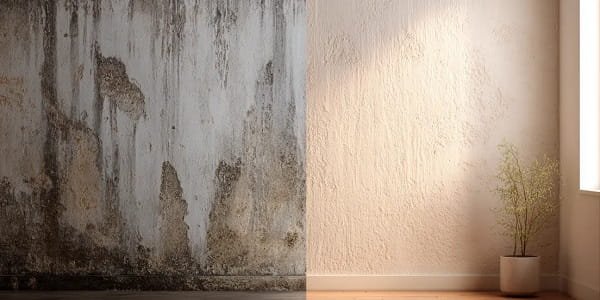
3. Visible Leaks, Damp Walls, or Water Stains
Puddles under sinks, damp patches on ceilings or walls, and recurring water stains are red flags.
Why it happens: Worn-out washers, corroded GI pipes (common in older constructions), loose joints, or damage during monsoons. In coastal areas, high humidity accelerates corrosion.
Why you shouldn’t ignore it: Even small leaks can waste 10,000+ litres of water monthly and cause hidden mold growth, weakening walls and ceilings. In rented apartments, landlords often expect quick reporting.
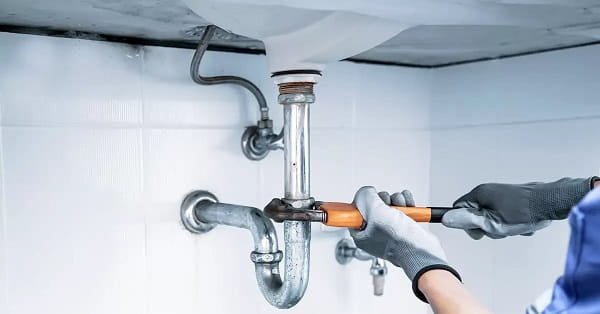
Immediate response: Place a bucket to catch drips and tighten connections. For persistent leaks, especially in concealed plumbing, professional help is necessary. Modern solutions include replacing old pipes with durable CPVC or PEX lines.
4. Unusual Noises in Pipes (Gurgling, Banging, or Whistling)
Hearing gurgling sounds when flushing the toilet, banging pipes when turning on taps, or whistling noises indicates air trapped in the system or blockages.
Causes:
- Air locks in pipes.
- Partial clogs creating pressure changes.
- Loose pipes or water hammer effect.
- Vent stack issues in independent homes.
Why it signals repairs: These noises often precede bigger failures like burst pipes or complete blockages. In joint family homes, where water usage is high, such issues worsen quickly.
Solution: Try bleeding air from the system by turning taps on full. Persistent noises require a plumber to check vent pipes, install air chambers, or clear obstructions.
5. Discolored Water, Bad Odors, or Rusty Taste
Water that appears yellowish, brownish, or cloudy, or has a metallic/rusty taste or foul sewage smell, points to serious plumbing degradation.
Common reasons in India:
- Corrosion in old iron pipes.
- Sediment buildup in overhead tanks.
- Sewer line cross-connection or backflow.
- Contamination from hard water minerals.
Health and home impact: Discolored water can stain clothes, damage geysers and washing machines, and pose health risks if consumed. Bad odors often indicate dry traps or sewer gas leakage.
What to do: Flush the system by running taps for a few minutes. Clean overhead tanks regularly (at least twice a year). If the problem continues, have the water tested and get pipes inspected. Installing whole-house filters or softeners often resolves hard water-related discoloration.
Additional Warning Signs and Preventive Tips
Beyond these five, watch for rising water bills, frequent need to reset pumps, or mold/mildew smells. In monsoon-prone areas, inspect exposed pipes before the rains.
Prevention strategies for Indian homes:
- Schedule annual plumbing audits before and after monsoon.
- Use ISI-marked pipes and fittings during repairs.
- Install strainers in sinks and clean them daily.
- Avoid flushing wipes, sanitary products, or pouring oils down drains.
- Consider modern upgrades like tankless water heaters, leak detection sensors, and dual-flush toilets.
- Maintain overhead tanks and ensure proper slope in drainage lines.
For apartment dwellers, coordinate with facility management. In independent houses, build relationships with reliable local plumbers who understand regional water conditions.
When to Act Immediately
If you notice multiple signs together, multiple fixtures affected, or sudden flooding, shut off the main water valve and call a professional right away. Delaying can lead to extensive water damage, especially in homes with wooden furniture or electrical wiring near plumbing lines.
Conclusion
Your home’s plumbing system works silently until something goes wrong. By staying alert to these five key signs — slow drains, low pressure, leaks, unusual noises, and water quality issues — you can catch problems early and avoid costly emergencies. Regular maintenance, mindful usage, and timely repairs not only save money but also ensure a hygienic, comfortable living environment for your family.
Investing in preventive care is far more economical than emergency fixes. Whether you live in a compact urban flat or a spacious independent house, proactive plumbing awareness is an essential part of responsible homeownership in India. Don’t wait for a crisis — inspect your plumbing today and enjoy uninterrupted, worry-free water supply year-round.
(Word count: 942)
FAQ
Q1: How often should I get my home plumbing checked in India?
A: At least once a year, ideally before and after the monsoon season, to prevent major issues.
Q2: Can I fix slow draining sinks myself?
A: Yes, for minor clogs try baking soda and vinegar. Persistent problems across multiple drains need professional attention.
Q3: What causes low water pressure in apartments?
A: Clogged pipes, leaks, hard water deposits, or issues with society’s overhead tanks and pumps.
Q4: Are small leaks dangerous?
A: Yes. Even minor leaks can cause hidden water damage, mold growth, and high water bills over time.
Q5: How do I know if my pipes need complete replacement?
A: Frequent leaks, discolored water, and old galvanized iron pipes are strong indicators. A camera inspection helps confirm.
Q6: What is the average cost of plumbing repairs in Indian cities?
A: Minor fixes like tap repairs cost ₹300–800, while major pipe replacements or unclogging can range from ₹2,000 to ₹15,000+ depending on the complexity and city.
Q7: Should I use chemical drain cleaners?
A: Occasionally for tough clogs, but avoid regular use as they damage pipes. Natural methods and professional service are safer long-term.