In Indian households, plumbing choices significantly impact long-term comfort, safety, and maintenance costs. With rising adoption of modern bathrooms, geysers, RO systems, and hot water requirements, homeowners often face the dilemma: PVC or CPVC pipes? Both are plastic-based, affordable, and corrosion-resistant alternatives to traditional GI (galvanized iron) pipes, but they differ in performance, especially under India’s challenging conditions — hard water, high temperatures, monsoons, and varying pressure.
This article provides a detailed comparison to help you choose the right piping for your home, whether it’s a compact urban apartment or an independent house.
What Are PVC and CPVC Pipes?
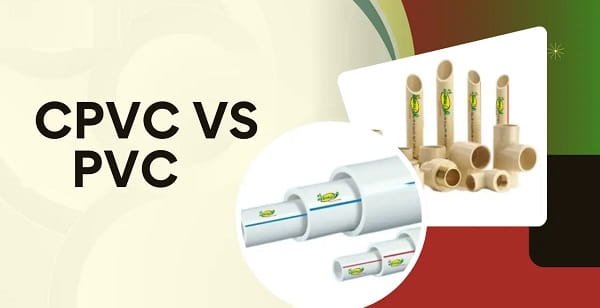
PVC (Polyvinyl Chloride) pipes are made from standard PVC resin. They are rigid, lightweight, and widely used for cold water supply and drainage. You’ll recognize them by their white, grey, or blue colors.
CPVC (Chlorinated Polyvinyl Chloride) pipes are manufactured by adding chlorine to PVC resin. This chlorination process enhances heat resistance, strength, and chemical durability. CPVC pipes are usually off-white or cream-colored and are specifically engineered for both hot and cold water applications.
Key Differences Between PVC and CPVC
1. Temperature Resistance
This is the most critical difference.
- PVC: Suitable up to 60°C (140°F). Using it for hot water can cause softening, warping, or leaks.
- CPVC: Handles up to 93°C (200°F), making it ideal for geysers, solar water heaters, and kitchen hot lines.
In Indian homes, where hot water is essential for bathing and cooking, CPVC is clearly superior for hot water lines.
2. Pressure Rating and Durability
Both have good pressure ratings at room temperature, but CPVC maintains higher ratings at elevated temperatures. CPVC also offers better resistance to hard water minerals, chlorine, and chemicals common in Indian municipal supplies. It is less prone to scaling and corrosion over time.
3. Cost
- PVC: More economical (₹25–60 per meter depending on diameter).
- CPVC: 15–30% more expensive but offers better value for hot water applications due to longevity.
4. Installation and Maintenance
Both use solvent cement joining, making them easy to install compared to metal pipes. CPVC is slightly more flexible, reducing the risk of cracks during installation. Both require proper support to prevent sagging, but CPVC’s higher strength makes it more reliable long-term.
5. Safety and Potable Water
Both are safe for drinking water when they meet BIS standards (IS 4985 for PVC, IS 15778 for CPVC). CPVC generally has superior resistance to biofilm growth and chemical leaching in chlorinated water.
Pros and Cons in the Indian Context
PVC Pipes
Pros:
- Low cost and widely available.
- Excellent for cold water supply, drainage (SWR pipes), irrigation, and underground lines.
- Lightweight, easy to transport, and quick to install.
- Good chemical resistance for non-potable uses.
Cons:
- Not suitable for hot water — can fail in geyser lines or solar systems.
- Lower pressure tolerance at higher temperatures.
- May become brittle over time in direct sunlight (UV exposure).
CPVC Pipes
Pros:
- Versatile for hot and cold water distribution.
- Superior heat and pressure resistance.
- Excellent for hard water areas (common in North and West India).
- Low maintenance, no rust or scaling issues.
- Fire-retardant properties in many brands.
- Long lifespan (50+ years with proper installation).
Cons:
- Higher initial cost.
- Slightly thicker walls may reduce flow rate marginally in same-diameter pipes.
- Requires correct solvent cement for leak-proof joints.
Recommended Usage in Indian Homes
For most modern Indian homes, a hybrid approach works best:
- Use CPVC for all hot and cold water supply lines (risers, distribution to bathrooms, kitchen, and geysers).
- Use PVC for drainage, soil waste, rainwater harvesting, and external cold water lines where temperature is not a concern.
- uPVC (Unplasticized PVC) is another variant often used for cold water and drainage due to its rigidity.
In coastal humid areas (Mumbai, Chennai, Kolkata), CPVC’s corrosion resistance shines. In dry, hard-water regions (Delhi, Rajasthan, Gujarat), CPVC reduces scaling issues in geysers and fixtures.
Always choose ISI-marked pipes from reputed brands like Astral, Supreme, Ajay, FlowGuard, or Sudhakar for guaranteed quality and after-sales support.
Factors to Consider Before Buying
- Water Type: Hard water favors CPVC.
- Building Type: Apartments may prefer CPVC for uniform hot water supply.
- Budget: PVC saves money on drainage but invest in CPVC for supply lines.
- Future Needs: Installing CPVC throughout allows easy upgrades later.
- Installation Quality: Poor jointing causes leaks regardless of material. Hire experienced plumbers.
- Monsoon Preparedness: Ensure proper insulation and support to handle temperature fluctuations.
Environmental and Long-Term Benefits
Both materials are recyclable and have a lower carbon footprint than metal pipes. CPVC’s longer life reduces replacement frequency, making it more sustainable. Regular maintenance (annual inspections) and avoiding chemical drain cleaners extend the life of both.
Conclusion
For Indian homes, CPVC is generally the better choice for water supply lines due to its ability to handle hot water, higher durability, and suitability for local water conditions. PVC remains a cost-effective solution for drainage and cold water applications. Many homeowners opt for a combination to optimize cost and performance.
When planning new construction or renovation, consult a professional plumber and factor in your specific needs. Investing in the right pipes today prevents costly repairs, water wastage, and inconvenience tomorrow. A well-designed plumbing system using appropriate PVC and CPVC pipes ensures reliable, leak-free service for decades, contributing to a safer and more comfortable home.
FAQ
Q1: Can I use PVC pipes for hot water in India?
A: No. PVC is only suitable for cold water. Using it for hot water can lead to deformation and leaks. Always use CPVC for hot water lines.
Q2: Which is more expensive — PVC or CPVC?
A: CPVC is 15–30% more expensive than PVC but offers better performance for hot water applications, making it more cost-effective long-term.
Q3: Are CPVC pipes safe for drinking water?
A: Yes, when they meet BIS standards. CPVC has excellent resistance to chemicals and biofilm, making it safe for potable water.
Q4: What is the lifespan of CPVC vs PVC pipes?
A: CPVC can last 50+ years with proper installation. PVC also lasts long but may fail earlier in hot water applications.
Q5: Can I mix PVC and CPVC pipes?
A: It is not recommended to join them directly due to different solvent cements and properties. Use transition fittings if necessary, but separate systems are better.
Q6: Which brands are best for CPVC pipes in India?
A: Reputed brands include Astral FlowGuard, Supreme, Ajay, Sudhakar, and Prince. Choose ISI-marked products.
Q7: Should I replace old GI pipes with CPVC?
A: Yes, especially in older homes. CPVC eliminates rust, scaling, and low-pressure issues common with aging GI pipes.