Water pipe bursts are among the most frustrating and costly plumbing emergencies in Indian homes. Whether it’s a sudden flood in your apartment during peak summer or a leak damaging walls in winter, these incidents disrupt daily life, waste water, and lead to expensive repairs. India’s extreme seasonal temperature variations make pipes particularly vulnerable. Understanding why pipes burst during summer and winter helps homeowners take preventive measures and choose the right materials for long-term durability.
This article explores the science behind seasonal pipe bursts, their impact on Indian households, and practical solutions tailored to our climate and living conditions.
The Science Behind Pipe Bursts
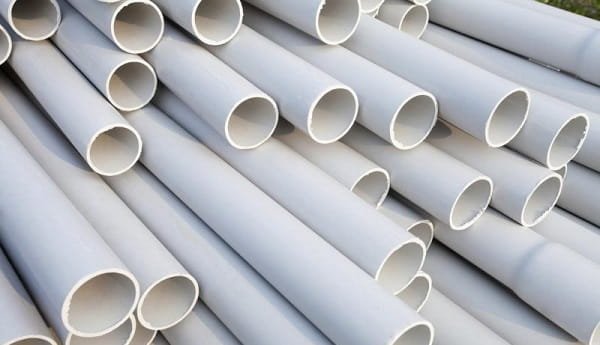
Pipes burst primarily due to pressure changes caused by temperature extremes affecting the water inside and the pipe material itself. Most residential pipes in India are made of PVC, CPVC, or older GI (galvanized iron) pipes. Each reacts differently to heat and cold.
Why Pipes Burst in Summer
Summer in India (April to June) brings scorching temperatures often exceeding 40–45°C in many regions like Rajasthan, Delhi, Gujarat, and parts of Madhya Pradesh.
Main Causes:
- Thermal Expansion: As temperatures rise, water inside the pipes expands. In closed systems with limited space (especially in concealed plumbing), this expansion creates immense pressure. Plastic pipes like PVC can soften and deform under sustained heat, while joints become weak.
- Hard Water Scaling: Many Indian cities have hard water. High summer temperatures accelerate mineral deposits (calcium and magnesium), narrowing pipe interiors. This increases internal pressure, making pipes more prone to bursting at weak points like elbows, joints, or old repairs.
- Direct Sun Exposure: Exposed pipes on rooftops or terraces (common in independent houses) absorb intense heat, causing rapid expansion and weakening of the material. UV rays also degrade plastic pipes over time, making them brittle.
- High Water Demand: Increased usage of geysers, coolers, and frequent filling of overhead tanks puts extra stress on the system during peak summer.
In coastal cities like Mumbai and Chennai, the combination of heat and humidity further accelerates corrosion in older metal pipes.
Why Pipes Burst in Winter
Winter bursts are more dramatic and common in northern India (Delhi, Punjab, Himachal, Uttar Pradesh) where night temperatures can drop near or below freezing in some areas.
Main Causes:
- Freezing and Ice Expansion: When water freezes, it expands by about 9%. In pipes that are not properly insulated or drained, ice formation creates enormous pressure — enough to split metal or plastic pipes. Even if temperatures don’t reach 0°C, repeated freeze-thaw cycles weaken pipe walls.
- Contraction of Pipes: Cold causes pipes to contract, loosening joints and fittings. When temperatures rise again, the sudden expansion can cause leaks or bursts at these weakened points.
- Reduced Plasticity in Materials: PVC and older pipes become brittle in cold weather, making them susceptible to cracking under normal water pressure.
- Low Usage in Unused Areas: In guest rooms or less-used bathrooms, stagnant water cools faster and freezes more easily.
Other Contributing Factors Common in India
- Poor Quality Pipes and Installation: Low-grade pipes or improper jointing without adequate support lead to failures during temperature swings.
- Aging Infrastructure: Many homes built decades ago still use GI pipes that corrode internally, reducing strength.
- Water Pressure Fluctuations: Municipal supply variations combined with booster pumps create stress.
- Lack of Maintenance: Ignored minor leaks, clogged pipes, and absence of insulation amplify seasonal risks.
- Monsoon Aftermath: Water seepage during rains weakens pipe surroundings, making them vulnerable in extreme summer or winter.
Impact on Indian Homes
A single pipe burst can damage furniture, wooden flooring, electrical wiring, and ceilings, leading to repair costs from ₹10,000 to over ₹1 lakh depending on the extent. In apartments, it often affects neighbors, causing disputes. Health risks from mold growth after flooding are also significant in humid climates.
Prevention Strategies
Material Choices:
- Prefer CPVC pipes for hot and cold water lines as they handle temperature variations better than standard PVC.
- For cold regions, consider insulated PEX pipes where available.
- Replace old GI pipes during renovations.
Insulation:
- Wrap exposed pipes with foam insulation, pipe jackets, or even old cloth and tape in winter.
- Shade rooftop pipes in summer or paint them with reflective white paint.
System Design:
- Install pressure relief valves and expansion tanks in closed systems.
- Ensure proper sloping and drainage in plumbing design.
- Avoid running pipes along external walls without protection.
Seasonal Maintenance:
- Before Summer: Flush systems, descale pipes, and check for weak joints.
- Before Winter: Drain outdoor pipes, insulate vulnerable sections, and keep a slow drip in taps during extreme cold nights.
- Annual professional plumbing audits are highly recommended.
Smart Solutions:
- Install leak detection sensors and automatic shut-off valves.
- Maintain moderate water pressure using regulators.
- Keep overhead tanks clean and properly covered.
Conclusion
Water pipes burst during summer mainly due to heat-induced expansion and scaling, while winter bursts result from freezing and contraction. India’s diverse climate makes these issues almost seasonal for unprepared homes. By understanding these causes and adopting preventive measures — choosing the right pipes, proper insulation, regular maintenance, and timely upgrades — you can significantly reduce the risk of emergencies.
Protecting your plumbing system not only saves money and water but also ensures peace of mind for your family. Whether you live in a hot desert city, a freezing hill station, or a humid coastal apartment, proactive care is the key to a leak-free, durable home. Start by inspecting your visible pipes today and schedule a professional check before the next extreme season arrives.
FAQ
Q1: At what temperature do water pipes usually burst in India?
Pipes can burst when water freezes (around 0°C or below) in winter or due to excessive expansion above 40–45°C in summer, especially in poorly installed systems.
Q2: Are plastic pipes more prone to bursting than metal pipes?
Modern CPVC pipes are more resistant than old GI pipes, but all pipes can burst if not properly installed or maintained. CPVC handles temperature changes better.
Q3: How can I protect pipes from bursting in winter?
Insulate exposed pipes, keep a slow drip in taps during freezing nights, and drain unused lines.
Q4: Does hard water increase the chance of pipe bursts in summer?
Yes. It causes scaling that narrows pipes and raises internal pressure, making bursts more likely during high temperatures.
Q5: Should I replace all pipes if one bursts?
Not necessarily, but if your home has old GI pipes, a complete replacement with CPVC during renovation is advisable for long-term safety.
Q6: Can I fix a burst pipe myself?
For temporary repair, use pipe repair tape or epoxy putty. However, professional replacement is recommended for permanent, safe fixes.
Q7: What is the best pipe material for extreme Indian weather?
CPVC is generally the best choice for most Indian homes due to its heat resistance, durability, and suitability for both hot and cold water.