Selecting the right warehouse forklift starts with understanding the loads, working environment, and daily tasks involved. Capacity determines how much equipment can lift safely at required heights. Power choice influences suitability for indoor, outdoor, and extended operations. Application requirements then guide the appropriate forklift type and configuration. Warehouse layout, operating frequency, and load dimensions also shape the final choice. A careful assessment helps businesses align equipment capability with movement needs, available space, and expected working conditions efficiently across daily operations.
Understand Your Warehouse Requirements
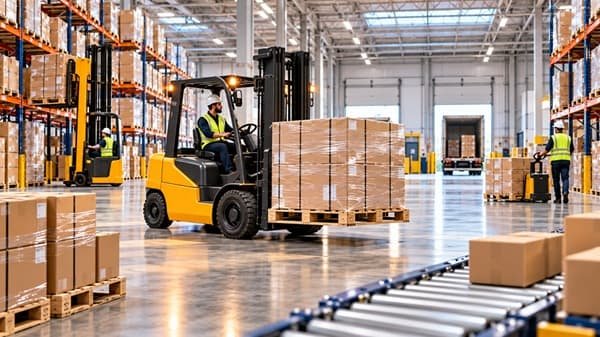
Start by reviewing the goods, pallets, and containers moved during normal operations. Record typical load weights, dimensions, movement distances, and daily operating hours. These details establish the workload the selected equipment should support effectively throughout each planned shift.
Next, examine storage patterns and movement routes across the facility. Consider receiving areas, dispatch zones, racking arrangements, and loading points. Understanding these workflows helps identify suitable equipment dimensions, manoeuvrability, lifting requirements, and operating characteristics for regular warehouse activities and peaks.
Choose the Right Load Capacity
Forklift capacity should match the heaviest expected load and its physical dimensions. Load centre also matters because weight distribution influences lifting capability. Businesses should consider the load centre when comparing suitable forklift capacities and configurations.
Lift height and attachments also influence usable capacity during operations. The applicable capacity can change as lifting height, load centre, or attachment configuration changes. Reviewing the manufacturer’s capacity plate helps match the forklift with intended loads, heights, and fitted attachments during selection.
Select the Suitable Power Source
Power selection should reflect the operating environment, shift pattern, energy arrangements, and required performance. Relevant power options include:
- Lead-Acid Electric Forklifts: These forklifts can suit indoor operations with planned charging schedules.
- Lithium-Ion Electric Forklifts: Lithium-ion models support operations that benefit from flexible charging opportunities. Daily usage, charging arrangements, and shift patterns should guide the choice.
- Diesel Forklifts: Diesel models suit demanding applications, particularly where outdoor movement forms part of warehouse activity. Fuel access, workload intensity, operating areas, and site conditions influence suitability.
Matching the power source with working conditions helps maintain suitable equipment availability across planned warehouse operations.
Match the Forklift Type to the Application
Different warehouse tasks call for equipment with specific lifting, travelling, and positioning capabilities. Key options for material handling include:
- Counterbalance Forklifts: These forklifts support pallet transport, vehicle loading, unloading, and general warehouse movement where suitable operating space is available.
- Reach Trucks: Reach trucks suit high racking and warehouse aisles designed around their turning and reach requirements.
- Pallet Trucks: Powered pallet trucks move palletised goods horizontally across receiving, dispatch, staging, and storage areas over suitable travel distances.
- Order Pickers: Order pickers support picking tasks where operators retrieve individual goods from storage locations at designated levels.
- Stackers: Stackers support pallet lifting, positioning, and stacking at heights that match their rated design and site requirements.
Choosing equipment around its main task helps align movement capability with the warehouse workflow during routine and peak periods.
Check Warehouse Layout and Operating Conditions
Aisle width, turning space, and rack dimensions directly influence equipment suitability. Measure doorways, overhead clearances, lift heights, and transfer areas before selection. These dimensions help confirm that equipment can travel, turn, lift, and position loads within designated warehouse spaces.
Floor condition, gradients, travel surfaces, and indoor or outdoor routes also deserve consideration. Equipment providers, such as Godrej RenTRUST, offer different forklift and warehouse equipment options. Comparing available specifications with site conditions helps identify equipment suited to planned operating requirements.
Make the Final Warehouse Forklift Selection
A final review should connect equipment specifications with the tasks identified during the site assessment. Important checks include:
- Capacity Compatibility: Confirm rated and residual capacity against expected load weight, load centre, lifting height, and any planned attachments.
- Power Suitability: Choose an energy source that supports the operating environment, working schedule, charging or refuelling arrangements, and expected daily utilisation.
- Application Fit: Select equipment designed for the facility’s primary movement, stacking, picking, loading, or unloading task.
- Space Compatibility: Verify turning requirements, aisle width, mast dimensions, and clearances against measured warehouse areas and storage layouts.
These checks help ensure the selected warehouse forklift matches the facility’s practical operating requirements.
Conclusion
Choosing the right forklift requires careful consideration of capacity, power, application, and warehouse conditions. Load characteristics and lifting heights help determine suitable capacity, while operating conditions guide power selection. The main task and available space also influence the appropriate equipment type. Reviewing these factors against actual site requirements helps businesses make informed choices. A well-matched forklift can support efficient goods movement, reliable lifting, effective use of warehouse space, and smooth operations across different storage and handling activities each day.