An African grey parrot, iguana or exotic tortoise may be openly advertised as a pet, but purchasing one is not as straightforward as buying a dog or cat. The animal may have been legally bred and documented—or it may have entered the wildlife trade without the permissions and records required under Indian law.
Keeping an exotic animal as a pet is not completely prohibited in India. However, legality depends heavily on the species, its origin, how it was acquired and whether registration, import, transfer or breeding requirements have been followed. The Wild Life (Protection) Act, 1972 was substantially strengthened through the 2022 amendment, and the Living Animal Species (Reporting and Registration) Rules, 2024 now create specific reporting and registration requirements for covered living specimens.
This means the old assumption that “exotic animals are outside Indian wildlife law” is no longer safe.
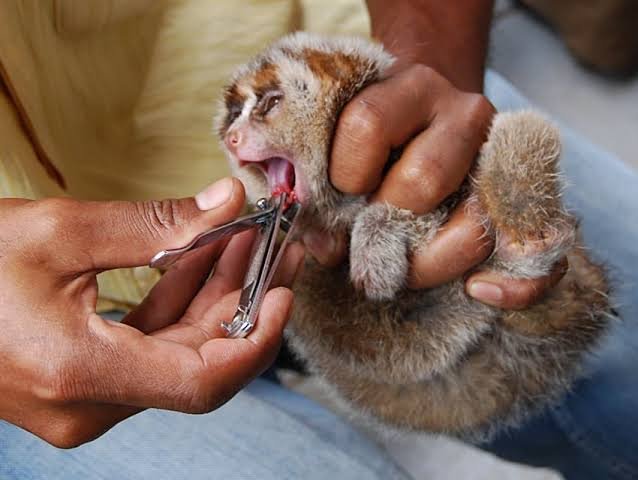
What Is an Exotic Pet?
In ordinary use, an exotic pet generally means a non-domesticated species that is not naturally native to India and is kept in captivity.
Examples can include certain:
- Exotic parrots and macaws;
- Cockatoos;
- Reptiles;
- Tortoises and turtles;
- Iguanas;
- Snakes;
- Small exotic mammals; and
- Other internationally traded wildlife species.
But the word “exotic” itself does not determine legality.
The first question should always be the animal’s exact scientific species.
That matters because different species can fall under different schedules, international CITES appendices and regulatory requirements.
What Changed Under India’s Wildlife Law?
The Wild Life (Protection) Amendment Act, 2022 brought India’s domestic legislation more closely into the framework for implementing the Convention on International Trade in Endangered Species of Wild Fauna and Flora (CITES).
The amended Wild Life (Protection) Act contains Schedule IV, covering specimens of species listed under CITES.
Section 49M specifically regulates the possession, transfer and breeding of living specimens of animal species listed in Schedule IV.
A person possessing a covered living specimen must comply with the reporting and registration framework.
Therefore, a seller saying “this is a foreign species, so the Wildlife Protection Act does not apply” should not be accepted without verification.
Do Exotic Pets Have to Be Registered?
For living animal species covered by Schedule IV, registration is an important legal requirement.
The Living Animal Species (Reporting and Registration) Rules, 2024 provide that a person who comes into possession of a covered animal must report it and apply electronically for registration.
For acquisitions after the initial transition period, the Rules require the application to be made within 30 days of possession.
The registration process is handled electronically through the government’s system, with the Chief Wild Life Wardens of States and Union Territories authorised to perform relevant functions under Section 49M.
The application procedure also involves documentation establishing the animal’s lawful origin.
What Documents Should You Get When Buying an Exotic Animal?
Never buy an expensive exotic pet solely on the seller’s verbal assurance that it is “100% legal.”
Depending on the species and circumstances, relevant records may include:
- Registration certificate;
- Proof of lawful acquisition;
- Import documents;
- CITES permits or certificates;
- Previous owner’s registration details;
- Transfer documentation;
- Identification details of the animal; and
- Purchase records.
Under the 2024 Rules, an animal acquired through import after the relevant legal changes may require a copy of the import licence and applicable CITES export permit or certificate.
If the seller refuses to provide documents or cannot identify the animal’s scientific species, that is a serious warning sign.
Can You Buy an Exotic Pet From Another Person?
Transfer is regulated for covered Schedule IV living specimens.
Section 49M requires a person transferring possession of a covered specimen to report the transfer. The competent authority registers the transfer and issues the transferee a registration certificate.
The 2024 Rules define transfer broadly enough to cover a change of possession through gift, sale or otherwise.
Therefore, giving an exotic animal to a friend for permanent ownership is not necessarily outside the regulatory framework merely because no money changes hands.
Before buying or accepting a covered animal, verify its existing registration and lawful acquisition history.
What If Your Exotic Pet Has Babies?
Breeding also creates legal responsibilities.
Section 49M requires the birth of offspring of covered Schedule IV specimens to be reported.
The 2024 Rules prescribe the reporting procedure and timelines for births.
This is particularly important for people who start with one or two exotic pets and later begin breeding them commercially.
Breeding should not be treated as an informal business simply because the parent animals were originally acquired lawfully.
Additional licensing requirements can also apply to breeding certain highly protected specimens, particularly species falling within Appendix I of Schedule IV.
What If an Exotic Pet Dies?
The owner’s obligations do not necessarily end with the animal’s death.
Section 49M also requires the death of a covered living specimen to be reported.
The 2024 Rules provide procedures for reporting deaths, and the competent authority may require appropriate handling of the carcass according to the applicable legal framework.
Owners should therefore maintain registration and veterinary records throughout the animal’s life.
Can You Keep an Indian Wild Animal as a Pet?
This is where the distinction between exotic wildlife and native Indian wildlife becomes extremely important.
You should never assume that an animal can legally be kept simply because someone is selling it as a pet.
Native wildlife protected under the Wild Life (Protection) Act is subject to strict legal controls.
Capturing a protected wild animal from nature and bringing it home is fundamentally different from lawfully acquiring a captive-bred exotic species through a regulated system.
For example, finding a wild bird, turtle, snake or other protected native animal does not automatically give you ownership of it.
If an injured wild animal is found, the safer course is to contact the Forest Department, wildlife authorities or an authorised rescue organisation rather than deciding to permanently keep it.
Can You Keep Exotic Birds in India?
Some exotic birds can potentially be kept legally, but their species and documentation must be checked.
The legal position of an African grey parrot, for example, cannot simply be assumed to be the same as every other pet bird.
Similarly, the legality of possessing a foreign-origin bird should not be confused with permission to capture and cage protected native Indian birds.
Before purchasing an exotic bird, ask for:
- Its common and scientific name;
- Its CITES status;
- Registration documentation where applicable;
- Proof of lawful acquisition or breeding; and
- Transfer documentation.
A colourful bird being displayed openly in a pet market is not proof of lawful origin.
Can You Import an Exotic Pet Into India?
Importing an animal creates an additional layer of regulation.
Wildlife/CITES requirements may apply alongside India’s foreign-trade, customs, quarantine and animal-health rules.
Depending on the animal, an importer may require permits or certificates from Indian authorities and the exporting country.
Do not buy an animal overseas and assume you can simply carry it into India as accompanied baggage.
Illegal wildlife importation can have consequences much more serious than ordinary pet-registration non-compliance.
Does Registration Automatically Make Any Exotic Animal Legal?
No.
Registration should not be viewed as a method of converting illegally obtained wildlife into lawful property.
Section 49M permits registration where the competent authority is satisfied that the specimen was not obtained in contravention of laws relating to the protection of fauna and flora.
The 2024 Rules also require supporting information and provide for inquiry and verification.
Therefore, documentation showing lawful origin remains extremely important.
What Should You Check Before Buying an Exotic Pet?
Before paying a breeder, dealer or online seller:
- Identify the exact scientific species.
- Check whether it appears in Schedule IV/CITES appendices.
- Ask for the animal’s existing registration certificate where applicable.
- Verify proof of lawful acquisition.
- Check import and CITES documentation for imported animals.
- Complete the prescribed transfer and registration procedure.
- Check whether special breeding requirements apply.
- Ensure suitable veterinary care is available locally.
- Never purchase wildlife captured illegally from nature.
The most important principle is that “exotic pet” is not a legal category that automatically means permitted. The legality of possession depends on the particular species, its source and compliance with the registration and wildlife-trade framework.
FAQs
Q1. Is it legal to own an exotic parrot in India?
A. Potentially, yes, depending on the species and its lawful origin. If the species falls within Schedule IV, the possession and transfer requirements under Section 49M and the 2024 Rules must be followed.
Q2. Do I need to register an exotic pet purchased in India?
A. If the animal is a species covered by the Living Animal Species (Reporting and Registration) Rules, 2024, registration is required. For new possession, the Rules generally require reporting and application within 30 days.
Q3. Can I buy an exotic animal online?
A. The fact that an animal is advertised online does not establish legality. Verify its species, registration, lawful source and applicable CITES/import or transfer documents before purchasing it.
Q4. Can I keep a wild Indian bird or animal if I rescue it?
A. Rescuing an injured animal does not automatically give you the right to permanently keep protected native wildlife as a pet. Contact the Forest Department or appropriate wildlife authority for guidance on treatment, rehabilitation and lawful custody.