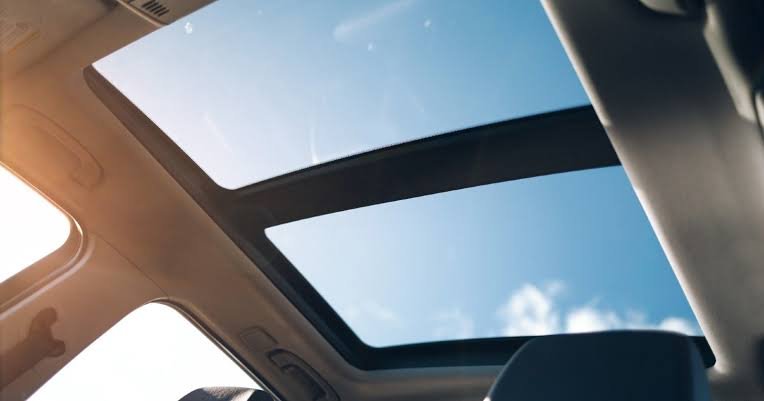
A regular sunroof is mainly something the people in the front seats experience. A panoramic sunroof changes much more of the cabin. Look upward from the second row and a large portion of the conventional roof may have been replaced by glass, allowing substantially more daylight into the vehicle.
That difference in size is the simplest way to separate the two.
A regular or single-pane sunroof is normally a smaller opening positioned above the front seats. A panoramic sunroof covers a much larger portion of the roof and is designed to provide a more open feeling for both front and rear passengers. Hyundai similarly distinguishes standard sunroofs from panoramic designs primarily by their size and the amount of the cabin they cover.
But bigger does not automatically mean better. India’s climate, vehicle price, headroom, maintenance and how often you actually use the feature should all influence the decision.
How Tax Loss Harvesting Reduces Mutual Fund Tax Liabilities
A regular sunroof is a relatively compact roof panel, usually located over the front seats.
In modern cars it is commonly electrically operated and may:
- Tilt upward for ventilation
- Slide backward to create an opening
- Include an interior sunshade
- Offer one-touch operation
- Include anti-pinch functionality, depending on the model
Because the glass area is relatively small, the feature primarily benefits the driver and front passenger.
Hyundai describes a standard sunroof as a compact opening typically positioned above the front seats, with tilt or slide functionality depending on the vehicle.
This type has become increasingly common in hatchbacks, sedans and compact SUVs.
What Is a Panoramic Sunroof?
A panoramic sunroof uses a much larger glass area.
Instead of ending around the front seats, the glass can extend substantially farther towards the rear of the cabin.
This allows rear passengers to enjoy the view and natural light as well.
Hyundai describes panoramic sunroofs as covering a larger section of the roof and providing greater natural light and a more spacious cabin feel.
The current Creta, for example, offers a smart panoramic sunroof on selected variants, including voice-enabled functionality on applicable higher trims.
This larger glass area is why panoramic roofs have become particularly popular in midsize and premium SUVs.
Does the Entire Panoramic Sunroof Open?
Not necessarily.
This is a common misunderstanding.
A panoramic roof may look like one enormous opening from inside the cabin, but usually only part of the glass actually moves.
Depending on the design, it may use:
- One movable front glass section
- One fixed rear glass panel
- Multiple glass sections
- A powered interior sunshade
The exact mechanism differs between vehicles.
Hyundai’s panoramic-sunroof operating instructions, for example, describe the glass and power sunshade as separately controlled components, with the glass capable of sliding while the sunshade opens or closes accordingly.
Therefore, do not assume a larger glass roof means an equally large open-air opening.
Try the feature at the dealership.
Panoramic Sunroof Makes the Cabin Feel Larger
This is its biggest advantage.
Dark headliners and conventional metal roofs can make some cabins feel enclosed, particularly for passengers in the second or third row.
Replacing a large portion of that visual area with glass allows significantly more daylight into the interior.
The actual cabin dimensions do not increase, but the vehicle can feel much more spacious.
This effect is particularly noticeable in:
- SUVs
- Three-row vehicles
- Cars with dark interiors
- Vehicles with relatively small side windows
Hyundai specifically notes that panoramic roofs create a brighter and more spacious cabin environment and can benefit passengers across multiple rows.
For families, this is probably the strongest reason to choose one.
A Regular Sunroof Still Provides Ventilation
You do not need a panoramic roof simply to get fresh air.
A conventional electric sunroof can tilt or slide open and provide ventilation.
Tilting the rear edge can help air circulate without opening the side windows completely.
This can be pleasant during suitable weather, particularly:
- Early mornings
- Cool evenings
- Hill-station drives
- Pleasant winter days
A regular sunroof therefore provides much of the functional benefit without requiring such a large glass area.
If your main reason for wanting a sunroof is occasional ventilation rather than the visual experience, a standard sunroof may be enough.
Panoramic Sunroof Benefits Rear Passengers More
This is where the difference becomes obvious during family travel.
The driver should be concentrating on the road, so the panoramic view is primarily an experience for passengers.
A child or adult sitting in the second row can look upward and enjoy a much wider view than with a conventional front-only sunroof.
In a three-row vehicle, a large glass roof can also reduce the enclosed feeling further back in the cabin.
The current Hyundai Alcazar, for example, offers a voice-enabled smart panoramic sunroof on applicable configurations, fitting its role as a three-row family SUV.
If rear-seat experience is important, panoramic has the stronger advantage.
What About India’s Summer Heat?
This is one of the most important practical considerations.
India’s intense summer sun can heat a vehicle significantly.
A panoramic sunroof places a much larger glass area above the passenger compartment than a conventional metal roof.
Modern automotive glass and interior sunshades are designed to manage light and heat, but the experience still depends on:
- Glass specification
- Tinting
- Sunshade thickness
- AC performance
- Exterior temperature
- Whether the vehicle is parked in direct sunlight
During extremely hot weather, keeping the sunshade closed is usually the sensible option.
When test-driving a panoramic-roof vehicle, do not evaluate it only on a pleasant winter morning. Check how substantial the sunshade feels and read owner experiences regarding summer cabin comfort.
Panoramic Roofs Can Affect Headroom
A sunroof mechanism needs somewhere to fit.
There may be:
- Glass panels
- Rails
- Electric motors
- Structural supports
- Sunshade mechanism
These components occupy space within or around the roof structure.
Depending on the vehicle’s design, this can reduce available headroom compared with a non-sunroof version.
The difference may be irrelevant for an average-height passenger but noticeable to someone very tall.
This is especially worth checking in the rear seat.
Do not rely solely on published dimensions. Sit normally, straighten your back and check the distance between your head and the roof/sunshade.
A Panoramic Sunroof Usually Costs More
A larger and more sophisticated roof system naturally costs more to manufacture.
More importantly, manufacturers often reserve panoramic sunroofs for higher variants.
You may therefore have to upgrade not just the roof but the entire trim level.
Hyundai notes that panoramic sunroofs are generally positioned above conventional electric sunroofs and are often available on higher variants.
That creates an important buying question:
How much are you really paying to get the panoramic roof?
If moving to the next variant costs ₹1 lakh but also gives you better safety equipment, larger infotainment, cameras and additional comfort features, the upgrade may be reasonable.
If the main addition you value is the glass roof, reconsider whether the extra expense is worthwhile.
Panoramic Sunroofs Have More Components
A conventional fixed metal roof is mechanically simple.
An electric panoramic sunroof can contain:
- Glass panels
- Electric motor
- Tracks
- Seals
- Drainage channels
- Sunshade mechanism
- Sensors
- Wiring
This does not mean panoramic roofs are unreliable.
Modern systems are designed for years of operation.
But there are simply more components that may eventually require adjustment, cleaning or repair.
Owners should follow the manufacturer’s maintenance instructions, keep tracks and drainage areas clean where applicable, and investigate unusual wind noise or water entry rather than ignoring it.
What About Water Leakage?
A correctly functioning factory-installed sunroof should not allow rainwater into the passenger compartment during normal use.
However, sunroof assemblies can use drainage channels to manage water around the roof opening.
Problems may occur if drains become blocked or seals/components are damaged.
Potential warning signs include:
- Damp headliner
- Water around roof pillars
- Wet carpets
- Musty smell
- Visible staining
This is particularly important when inspecting a used car with a panoramic roof.
Check the headliner carefully for signs of previous water ingress.
Panoramic Sunroof Adds Weight High Up
Glass and operating mechanisms add weight compared with a simple metal roof.
More importantly, that weight is positioned at the top of the vehicle.
From a pure vehicle-dynamics perspective, engineers generally prefer to keep mass low because a lower centre of gravity benefits handling.
For ordinary family driving, the difference may not be something most owners consciously notice.
But a panoramic roof is primarily a comfort and lifestyle feature—not a performance enhancement.
If you are buying a performance-oriented car and have the option of a conventional roof, some enthusiasts may prefer the simpler, lighter configuration.
Is a Panoramic Sunroof Safer or Less Safe?
The presence of a panoramic roof alone is not enough to judge the overall crash safety of a car.
Modern vehicles are engineered as complete structures, with roof pillars, rails and surrounding structural members contributing to occupant protection.
The better approach is to evaluate the entire vehicle’s independent crash-test performance, along with airbags, ESC, seat belts and other safety equipment.
Do not assume:
Metal roof = automatically safer
or
Panoramic roof = unsafe.
Compare tested vehicles rather than making a safety decision from the roof feature alone.
Never Let Children Stand Through a Sunroof
This deserves special attention in India.
A sunroof is not a standing area for passengers.
Children should remain properly seated and restrained while the vehicle is moving.
Allowing someone to stand with their head or body outside the roof exposes them to serious risks from sudden braking, collisions, low obstacles and other road hazards.
Hyundai’s current owner’s manual warns occupants not to sit on top of the vehicle and instructs users to keep heads, hands, arms and other body parts away while the sunroof operates. It also recommends adjusting the sunroof or sunshade while the vehicle is stopped.
Treat a sunroof as a ventilation and light feature—not a place for passengers to emerge from a moving vehicle.
Regular Sunroof Is Better for Budget-Conscious Buyers
A conventional electric sunroof makes sense if you want:
- Occasional fresh air
- Additional natural light
- Premium appearance
- Lower cost than panoramic
- Less glass overhead
For a hatchback, sedan or compact SUV, it can provide enough of the sunroof experience without requiring the larger mechanism.
If only the front occupants care about the feature, panoramic may provide little additional practical value.
Panoramic Sunroof Is Better for the Cabin Experience
Panoramic roofs make more sense when the experience itself is important.
They are particularly attractive for:
- Family SUVs
- Rear-seat passengers
- Long leisure trips
- Scenic routes
- Premium interiors
- Buyers who dislike dark cabins
The larger glass area creates a visual effect that a small conventional sunroof cannot replicate.
This is why manufacturers increasingly offer panoramic roofs on midsize SUVs. The current Hyundai Creta, for instance, provides panoramic-roof configurations on selected trims.
Should a Sunroof Decide Which Car You Buy?
Usually, no.
A sunroof should come after more important considerations such as:
- Safety
- Seating comfort
- Engine performance
- Transmission
- Fuel efficiency
- Boot space
- Ride quality
- Reliability
- Service support
It makes little sense to choose a less suitable vehicle purely because it has a panoramic roof.
Similarly, do not stretch your budget significantly for a feature you may keep covered throughout most of India’s summer.
Treat the sunroof as a desirable extra rather than a fundamental requirement.
Sunroof vs Panoramic Sunroof: Which Is Better?
A regular sunroof is the more practical choice when you mainly want ventilation, occasional open-roof enjoyment and a premium feature without requiring a huge glass area.
A panoramic sunroof provides the better visual experience. It brings considerably more natural light into the cabin and allows rear passengers to enjoy the feature as well.
Choose a regular sunroof if you want the feature at a more accessible price, primarily care about front-seat use or prefer a smaller glass roof.
Choose a panoramic sunroof if rear-seat experience matters, you enjoy an airy cabin and are comfortable paying more for a feature that is primarily about ambience rather than transportation.
For Indian conditions, also consider summer heat and how frequently you will realistically open the sunshade.
A panoramic roof can make a cabin look spectacular in the showroom. The better purchase is the one that still makes sense after the excitement of that first look has passed.
FAQs
Q1. Does a panoramic sunroof open completely?
A. Usually not. Many panoramic roofs use a movable front glass section and a fixed rear section, although designs vary. Check the exact vehicle because the visible glass area can be considerably larger than the portion that actually opens.
Q2. Does a panoramic sunroof make a car hotter?
A. A larger glass area can allow more solar energy into the cabin, particularly when the interior sunshade is open. The actual effect depends on the glass, shade and vehicle design. During intense Indian summers, keeping the sunshade closed can improve comfort.
Q3. Is a panoramic sunroof worth paying extra for?
A. It can be worthwhile if you value natural light, an airy cabin and the rear-passenger experience. If you rarely use a sunroof or must stretch your budget significantly to reach the required variant, a regular roof or conventional sunroof is often more sensible.
Q4. Can children stand through a car’s sunroof?
A. They should not. Occupants should remain correctly seated and restrained while the vehicle is moving. Manufacturer instructions also warn users to keep body parts clear of the sunroof mechanism and not to sit on top of the vehicle.