Jawaharlal Nehru Street (often referred to as part of Jawaharlal Nehru Marg or associated with Nehru Place area) in Delhi is a significant urban corridor that reflects the dynamic spirit of the national capital. Named after India’s first Prime Minister, Pandit Jawaharlal Nehru, the street and its surrounding stretches serve as important commercial, institutional, and transit links. It embodies a blend of administrative importance, commercial activity, and residential neighbourhoods in one of Delhi’s bustling zones. The area attracts office-goers, students, shoppers, tourists, and locals with its mix of government buildings, markets, educational institutions, and modern amenities. It stands as a symbol of Delhi’s evolution from a historic city to a modern metropolis.
Prime Location in Delhi
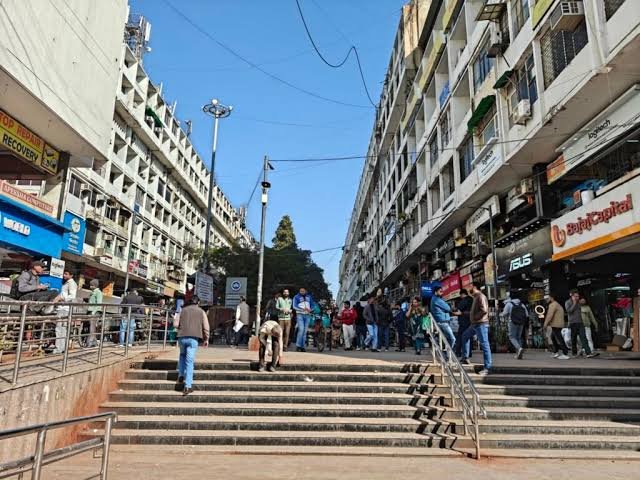
Jawaharlal Nehru Street/Marg runs through key parts of Central and South Delhi, with prominent stretches near Delhi Gate, Dariya Ganj, and connections towards areas like Nehru Place in South Delhi. The Nehru Place segment, in particular, is a major commercial hub located in South East Delhi, near Kalkaji and Nehru Enclave. It lies strategically between Ring Road and prominent south Delhi colonies such as Greater Kailash, Defence Colony, and Lajpat Nagar.
This central-to-south location places it close to major landmarks including Jawaharlal Nehru Stadium, ISKCON Temple, Lotus Temple (in proximity), and important government and institutional buildings. The area features a mix of high-rise commercial towers, older government structures, bustling markets, and residential pockets. Jawaharlal Nehru Street caters to a diverse crowd — corporate professionals and IT hardware traders in Nehru Place during business hours, families and shoppers in the evenings, and visitors exploring Delhi’s urban landscape. The neighbourhood balances commercial energy with green spaces and cultural sites, making it a lively yet accessible part of the capital.
Excellent Connectivity
Jawaharlal Nehru Street benefits from exceptional multi-modal connectivity, being one of the well-linked areas in Delhi.
Road Connectivity:
The street connects efficiently to major arterial roads such as Bahadur Shah Zafar Marg, Ring Road, Mathura Road, and Outer Ring Road. These links provide seamless access to Connaught Place, India Gate, South Delhi colonies, and highways leading to Noida, Gurgaon, and beyond.
Public Transport:
- Metro: Nehru Place Metro Station on the Violet Line is a major hub, offering direct connectivity across Delhi. Nearby stations include Kalkaji Mandir and Nehru Enclave.
- Bus: Delhi Transport Corporation (DTC) buses and cluster buses operate frequently from Nehru Place Bus Terminal and stops along the Marg, connecting to all parts of Delhi.
- Rail: Proximity to Hazrat Nizamuddin Railway Station and New Delhi Railway Station makes intercity travel convenient.
- Other Modes: Ola, Uber, auto-rickshaws, and e-rickshaws are abundant. The area also benefits from upcoming elevated corridors and improved road infrastructure.
Its strategic position ensures travel times of 20–60 minutes to most major parts of Delhi depending on traffic.
Routes to Reach Jawaharlal Nehru Street
Reaching Jawaharlal Nehru Street / Nehru Place area is straightforward with prominent landmarks:
- From New Delhi Railway Station: Metro via Yellow Line to Central Secretariat then Violet Line, or cab via Bahadur Shah Zafar Marg (20–40 minutes).
- From Hazrat Nizamuddin Railway Station: Short cab or bus ride (15–25 minutes).
- From Indira Gandhi International Airport: Cab or metro via Airport Express Line and interchange (45–70 minutes).
- From Connaught Place / Central Delhi: Direct metro or cab via Barakhamba Road and Ring Road (15–30 minutes).
- From South Delhi (Greater Kailash / Saket): Bus or cab via Outer Ring Road (20–35 minutes).
- From Noida / Gurgaon: Via DND Flyway or NH48 followed by Ring Road (30–50 minutes).
Navigation apps like Google Maps provide real-time traffic and metro updates. The area has regulated one-way systems and dedicated bus lanes in parts. Peak hours (8–11 AM and 5–8 PM) see heavy traffic, so planning travel outside rush hours is advisable.
Gates and Access Points
Jawaharlal Nehru Street is an open major urban thoroughfare without formal gated entries. It features multiple natural access points from intersecting roads, flyovers, and service lanes. The wide road design supports heavy vehicular and pedestrian movement, especially around commercial complexes in Nehru Place.
Major commercial buildings, malls, and institutions have their own managed entrances with security, boom barriers, and visitor management systems. Multi-level parking facilities and basement parking in complexes offer dedicated entry/exit gates. Traffic police and CCTV surveillance help maintain order during peak hours. The open layout allows free movement while the dense commercial zones create a vibrant, energetic atmosphere. The area is generally considered safe with visible police presence and private security at key establishments.
Facilities and Amenities
Jawaharlal Nehru Street and the Nehru Place area offer comprehensive facilities catering to business, shopping, and daily needs:
Commercial and Retail:
Nehru Place is famous as one of Asia’s largest IT hardware and software markets, with hundreds of shops dealing in computers, laptops, accessories, networking equipment, and electronics. Modern commercial complexes, showrooms, and offices of major companies are also present.
Dining and Entertainment:
A wide range of restaurants, food courts, street food stalls, cafes, and multi-cuisine eateries serve North Indian, South Indian, Chinese, and fast food. Nearby cultural and entertainment options enhance the experience.
Other Amenities:
- Multi-level and basement parking facilities with reasonable charges.
- ATMs, banks, and currency exchange counters.
- Modern public restrooms in major complexes.
- Excellent street lighting, pavements, and signage.
- Proximity to hospitals, educational institutions, and government offices.
- Nearby green spaces and temples for relaxation.
- Wi-Fi hotspots and business centres in commercial towers.
The area is active from around 9 AM to 8–9 PM for markets, with offices and eateries operating longer.
FAQs
Q1: What is Jawaharlal Nehru Street / Nehru Place famous for?
It is renowned as a major commercial hub, especially for IT hardware, electronics, software, and as a significant business centre in South Delhi.
Q2: What are the typical operating hours?
Shops and markets generally operate from 10:00 AM to 7:00–8:00 PM. Many offices follow 9 AM to 6 PM timings. Most markets remain closed on Sundays.
Q3: Is parking available?
Yes, multi-level parking and paid parking facilities are available, though it can get crowded during peak hours. Valet options exist in some complexes.
Q4: How crowded is the area?
Quite busy during weekdays, especially in market zones. Weekends are relatively calmer except for festival seasons.
Q5: Nearest Metro station?
Nehru Place Metro Station on the Violet Line is the most convenient, located right in the heart of the area.
Q6: Is it good for wholesale or bulk buying?
Yes, Nehru Place is one of the best places in Delhi for wholesale and retail purchase of computers, electronics, and accessories.
Q7: Are there good food options nearby?
Yes, plenty of restaurants, food courts, and street food options offering diverse cuisines at various price points.
Q8: Is the area safe?
Generally safe with good security arrangements, CCTV, and police presence, though standard urban precautions are recommended in crowded market areas.
Q9: Best time to visit?
Weekdays mornings or afternoons for shopping and business. Avoid peak traffic hours if possible.
Q10: Can I combine a visit with other attractions?
Yes — easily combine with Lotus Temple, ISKCON Temple, Kalkaji Mandir, Nehru Stadium, or Humayun’s Tomb, all within reasonable distance.
Why Visit Jawaharlal Nehru Street?
Jawaharlal Nehru Street and the associated Nehru Place area represent the commercial and progressive spirit of modern Delhi. Its prime strategic location, world-class connectivity, straightforward access routes, open and vibrant urban design, and extensive facilities make it a top destination for business, shopping, and urban exploration.
Whether you are an entrepreneur sourcing technology products, a shopper looking for electronics deals, a professional heading to offices, or a visitor experiencing Delhi’s dynamic side, this stretch delivers convenience and energy. In a city known for its history and rapid development, Jawaharlal Nehru Street continues to serve as a vital economic artery while retaining its importance in the daily life of Delhiites. Plan your visit wisely, carry comfortable shoes for market walks, and immerse yourself in one of Delhi’s busiest and most functional commercial corridors.