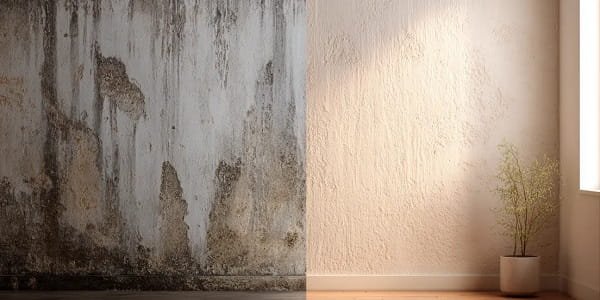
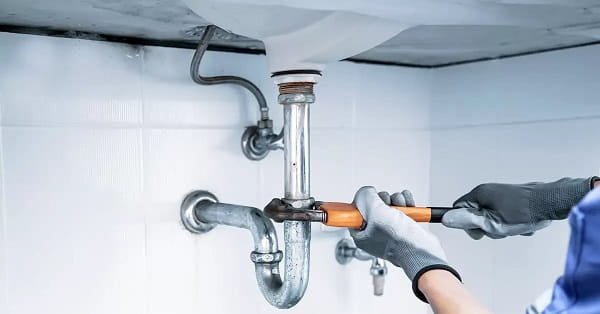
Bathrooms are one of the most moisture-prone areas in any Indian home. With daily showers, frequent use of taps, and exposure to humid monsoons, water leakage is a common yet preventable problem. Leaks not only waste water — a precious resource in many cities — but can also lead to damp walls, mold growth, damaged flooring, electrical hazards, and expensive structural repairs. In older apartments and independent houses, ignored leaks often escalate during the rainy season, affecting adjacent rooms and increasing health risks.
Preventing bathroom water leakage requires a combination of smart design choices, quality materials, regular maintenance, and timely repairs. This guide offers practical, actionable tips tailored to Indian homes, helping you maintain a dry, hygienic, and durable bathroom.
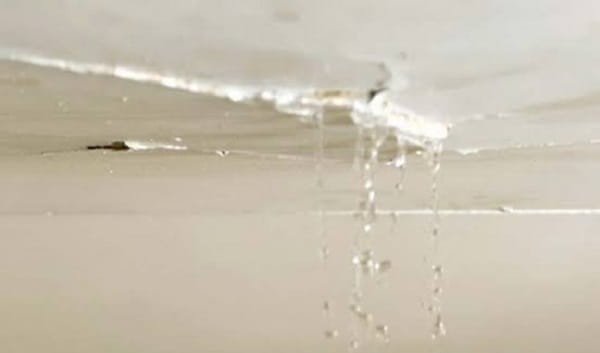
Understanding Common Causes of Bathroom Leaks
Before prevention, it’s important to know why leaks occur:
- Poor sealing around tiles, joints, and fixtures.
- Cracked or loose tiles and grout.
- Faulty plumbing connections (taps, showers, pipes).
- Improper slope in flooring leading to water pooling.
- Aging pipes (especially old GI pipes) and worn-out washers.
- Inadequate waterproofing during construction or renovation.
Hard water, high humidity, and temperature fluctuations in regions like Mumbai, Chennai, Delhi, and Bangalore accelerate these issues.
1. Invest in Quality Waterproofing During Construction or Renovation
The foundation of a leak-free bathroom starts at the building stage.
- Apply high-quality waterproofing membranes or coatings (such as polymer-based or cementitious compounds) on floors and walls before tiling.
- Ensure proper slope (1:100 to 1:50) towards the drain to allow quick water runoff.
- Use water-resistant boards or treatments for false ceilings and electrical points.
- For renovations, insist on re-waterproofing the floor and lower walls up to 1 meter height.
Reputed brands like Dr. Fixit, Pidilite, and Asian Paints offer reliable waterproofing solutions widely available across India.
2. Choose the Right Materials and Fixtures
- Tiles and Grout: Opt for anti-slip, vitrified or ceramic tiles with low water absorption. Use epoxy grout instead of regular cement grout in wet areas as it is more resistant to moisture and staining.
- Plumbing Pipes: Use CPVC pipes for hot and cold water lines and PVC for drainage. These are corrosion-resistant and more reliable than old metal pipes.
- Sanitary Fixtures: Install quality taps, showers, and mixers from trusted brands (Jaquar, Parryware, Hindware). Choose single-lever or sensor-based faucets that reduce wear.
- Silicone Sealants: Apply high-grade, mold-resistant silicone sealants around bathtubs, sinks, showers, and toilet bases. Reapply every 1–2 years.
3. Proper Installation Practices
Many leaks result from poor workmanship.
- Ensure all pipe joints are tightly sealed with PTFE tape and proper solvent cement.
- Install drip trays or catchment systems under geysers and washing machines.
- Use flexible hoses with stainless steel braiding for connections to avoid bursts.
- Maintain adequate distance between hot and cold water lines to prevent condensation-related issues.
Always hire experienced plumbers and supervise the work, especially in new constructions.
4. Regular Maintenance and Inspection Routine
Prevention is easier through consistent care:
- Weekly: Wipe dry all surfaces after use. Clean drains to prevent clogs that cause overflow.
- Monthly: Check for loose grout, cracked tiles, or damp spots. Inspect under sinks and behind toilets for hidden leaks.
- Seasonally: Before monsoons, reapply sealants, clean overflow outlets, and inspect plumbing. After heavy rains, look for new damp patches.
- Hard Water Management: Descale showerheads, taps, and pipes regularly using vinegar or commercial descalers to prevent scale buildup that weakens joints.
Place buckets or trays temporarily if you notice minor drips while arranging repairs.
5. Address Plumbing Issues Promptly
- Replace worn-out washers, cartridges, and O-rings in taps immediately.
- Fix slow-draining sinks or showers before they lead to overflow leaks.
- Install water pressure regulators if pressure is too high, as it stresses joints.
- For concealed plumbing, use non-destructive camera inspections during annual checks.
6. Additional Smart Solutions for Modern Homes
- Install leak detection sensors that alert you via mobile apps.
- Use water-saving fixtures to reduce overall water flow and pressure on pipes.
- Ensure proper ventilation with exhaust fans to reduce humidity and condensation.
- In independent houses, maintain clear drainage lines outside to prevent backflow.
Long-Term Benefits of Leak Prevention
Preventing bathroom leaks saves water, reduces electricity bills (from constantly running pumps or geysers), and protects your home’s structural integrity. In multi-generational Indian homes, it also prevents health issues from mold and mildew, ensuring a safer environment for children and elders.
When to Call a Professional
While many small issues can be handled with DIY sealants and minor fixes, call a licensed plumber if you notice:
- Persistent dampness on walls or ceilings.
- Recurring leaks after sealing.
- Sudden drop in water pressure.
- Foul odors or visible mold growth.
Annual professional plumbing audits (especially before and after monsoon) are highly recommended.
Conclusion
Water leakage in bathrooms is a manageable problem when approached proactively. By focusing on quality waterproofing, durable materials, correct installation, and regular maintenance, you can significantly reduce the risk of leaks and enjoy a dry, comfortable bathroom year-round. Indian homes, with their unique climate challenges, benefit greatly from these preventive habits. Investing time and modest resources in prevention today will save you from costly repairs and inconvenience tomorrow.
Start by inspecting your bathroom today — check seals, tiles, and fixtures. A little attention goes a long way in preserving your home’s value and your family’s well-being.
FAQ
Q1: How often should I reapply silicone sealant in the bathroom?
A: Every 12–24 months, or sooner if you notice cracking, peeling, or discoloration.
Q2: What is the best waterproofing method for Indian bathrooms?
A: A combination of cementitious waterproofing coating on floors and walls, followed by good quality tiles and epoxy grout.
Q3: Can hard water cause bathroom leaks?
A: Yes. Hard water leads to scale buildup that weakens pipes and joints over time. Regular descaling helps prevent this.
Q4: How do I fix a leaking showerhead or tap temporarily?
A: Tighten connections, replace washers, or use PTFE tape. For permanent fix, replace the cartridge or the entire fixture.
Q5: Are CPVC pipes better for preventing leaks?
A: Yes, CPVC pipes are more durable, heat-resistant, and corrosion-free compared to older GI pipes, reducing leakage risks.
Q6: What causes damp patches on bathroom walls?
A: Poor waterproofing, seepage from pipes, or leaks from upper floors. Professional inspection is needed to identify the exact source.
Q7: Should I use chemical drain cleaners to prevent leaks?
A: Avoid frequent use as they damage pipes. Use natural methods like baking soda and vinegar or install strainers to prevent clogs that lead to overflow leaks.