For many car owners, leaving a vehicle exactly as it came from the showroom is difficult. New alloy wheels, LED lights, a louder exhaust, upgraded suspension, a different paint colour or even an engine swap can make a car feel more personal. But once a modification changes the vehicle from the specifications approved by the manufacturer and recorded by transport authorities, it stops being purely a matter of personal choice.
Car modification is not completely illegal in India, but you cannot freely alter a registered vehicle in any manner you want. The Motor Vehicles Act, 1988 places significant restrictions on alterations that make a vehicle differ from the particulars originally specified by the manufacturer. Some changes may be permissible when they comply with statutory requirements and receive necessary approval, while others can make the vehicle unlawful for use on public roads.
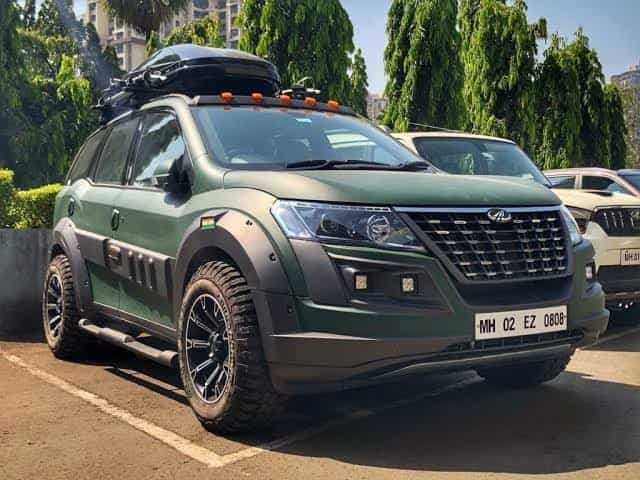
What Does Indian Law Say About Car Modification?
The key provision is Section 52 of the Motor Vehicles Act, 1988.
Broadly, it restricts an owner from altering a motor vehicle so that the particulars contained in its registration certificate differ from those originally specified by the manufacturer.
This rule is important because a registered vehicle has approved specifications covering matters such as its construction, engine and other technical characteristics.
Therefore, buying a car does not mean the owner acquires an unrestricted legal right to reconstruct it however they wish and then continue driving it on public roads.
The Supreme Court has also dealt directly with Section 52 and reinforced the restrictions imposed on vehicle alterations.
Are All Car Modifications Illegal?
No. It would be inaccurate to say that changing anything on a car is prohibited.
The legality depends on what is being modified and whether the modification changes regulated specifications or violates applicable safety, construction, emission or registration requirements.
Simple accessories that do not fundamentally alter the registered vehicle are different from major structural modifications.
For example, changing floor mats or installing a phone holder is obviously different from:
- Replacing the engine with a different unit;
- Cutting and changing the vehicle’s body;
- Altering its chassis;
- Converting the vehicle into a different body type; or
- Making major changes to dimensions.
The more substantially a modification affects the vehicle’s approved specifications, the greater the regulatory concern.
Can You Change the Colour of Your Car?
Changing a car’s colour is possible, but the colour recorded in the registration certificate cannot simply be ignored.
If you want to repaint or wrap a vehicle in a way that changes its recorded colour, the change should be dealt with through the appropriate RTO/registration process so that the vehicle’s records remain compliant.
This is particularly important where the new appearance is substantially different from the colour shown in the RC.
Do not assume that using a removable vinyl wrap automatically avoids every registration requirement merely because the original paint remains underneath.
Before making a complete colour change, check the procedure with the relevant registering authority.
Are Aftermarket Alloy Wheels Legal?
Aftermarket alloy wheels are not automatically illegal merely because they did not come with the car.
However, wheel and tyre modifications should remain compatible with applicable vehicle specifications and safety requirements.
Extremely oversized wheels can affect:
- Overall dimensions;
- Tyre clearance;
- Steering;
- Braking;
- Suspension geometry;
- Speedometer accuracy; and
- Road safety.
A cosmetic wheel upgrade that remains within compliant specifications is very different from radically changing wheel dimensions and tyre fitment.
Owners should follow manufacturer-approved sizes wherever possible rather than selecting wheels solely for appearance.
Is a Modified Exhaust Legal?
This is one of the most common areas where enthusiasts run into trouble.
Replacing an exhaust system merely to make a car dramatically louder can violate noise and vehicle standards.
A vehicle must continue to satisfy applicable noise and emission requirements. Removing or interfering with pollution-control equipment can create additional problems.
An aftermarket exhaust should therefore not be treated as legal simply because it is available for purchase online.
If it causes excessive noise or affects emission compliance, authorities can take action under applicable motor-vehicle and environmental rules.
Can You Modify the Engine?
Engine modification requires considerably more caution than ordinary cosmetic upgrades.
Section 52 contains provisions dealing with alteration of vehicles and includes specific treatment of engine changes in prescribed circumstances, including conversions involving different fuel or energy sources where permitted by law.
A casual engine swap designed primarily to increase performance should not be assumed to be legal for road use.
Changes affecting the engine, fuel system, emission characteristics or registration particulars can require regulatory compliance and updates to official records.
Performance tuning can also create insurance, warranty, emission and safety consequences.
Are Suspension Modifications Legal?
Minor replacement of worn suspension components with appropriate compatible parts is different from dramatically changing a car’s ride height.
Excessively lowering or raising a vehicle can alter its approved dimensions, handling characteristics and road safety.
Extreme suspension modifications can also affect:
- Ground clearance;
- Steering geometry;
- Headlamp alignment;
- Tyre clearance;
- Stability; and
- Braking behaviour.
If a suspension modification makes the vehicle substantially different from its approved specification, Section 52 and other technical requirements may become relevant.
Are LED Headlights and Additional Lights Legal?
Not every bright aftermarket light is road-legal.
Automotive lighting must satisfy applicable construction and safety standards. Installing extremely powerful lamps, unauthorised flashing lights or lights that dazzle other road users can attract enforcement action.
Certain colours and types of warning lights are also restricted for authorised vehicles.
Owners should therefore avoid modifications designed mainly to make a vehicle visually resemble an emergency or government vehicle.
Lighting should improve visibility without compromising the safety of oncoming traffic.
Can You Install a Bull Bar on a Car?
Bull bars, crash guards and similar rigid external structures have faced enforcement because they can interfere with the safety characteristics of vehicles and create additional risk to pedestrians and other road users.
Owners should not assume that an accessory is lawful merely because a local shop sells and installs it.
The Ministry of Road Transport and Highways has previously directed enforcement authorities to take action against unauthorised crash guards and bull bars under the Motor Vehicles Act.
This is a useful general lesson for modifications: availability in the aftermarket does not equal legal approval for public-road use.
What About Tinted Windows?
Dark aftermarket sun films are another common source of confusion.
The Supreme Court has prohibited the use of black films or other material pasted on vehicle safety glass beyond the legally manufactured glazing framework.
Vehicle glass itself must comply with the prescribed standards for visual light transmission.
Therefore, owners should not assume that an aftermarket tint is legal simply because a shop describes it as “RTO approved.”
Factory-manufactured compliant glass and subsequently pasted dark film are not necessarily treated the same way.
Can Modifications Affect Car Insurance?
Yes.
A major modification can change the risk that an insurer agreed to cover.
Changes involving the engine, fuel type, body, suspension, performance or other significant components should be disclosed to the insurer where required under the policy.
Failing to disclose a material modification can create difficulties when a claim is made, particularly if the modification contributed to the accident or changed the insured risk.
Before undertaking an expensive modification, check both RTO legality and insurance implications.
What Happens If a Car Is Illegally Modified?
An illegally altered vehicle can lead to enforcement under the Motor Vehicles Act and applicable rules.
Depending on the violation, consequences may include:
- Challan or statutory penalty;
- Direction to remove the non-compliant modification;
- Problems with registration or fitness;
- Action for separate noise or emission violations;
- Insurance complications; and
- Additional liability if an unsafe modification contributes to an accident.
The exact consequence depends on the modification and the provision violated.
The safest approach is to check legality before paying for the modification, not after the vehicle is stopped during a traffic inspection.
How to Modify a Car Legally in India
Before making a substantial modification:
- Check whether it changes any particulars recorded in the RC.
- Verify whether approval from the registering authority is required.
- Use components that meet applicable safety standards.
- Avoid structural alterations that conflict with manufacturer-approved specifications.
- Keep noise and emissions within prescribed limits.
- Update the RC when legally required.
- Inform your insurer of material modifications.
- Keep invoices and approval documents.
- Avoid accessories prohibited for public-road use.
The practical principle is simple: personalisation is possible, but a road-going car must continue to conform to India’s registration, construction, safety, emission and traffic requirements.
FAQs
Q1. Can I modify my car’s appearance in India?
A. Minor cosmetic changes are not automatically prohibited. However, modifications that affect the vehicle’s registered particulars, dimensions, construction, lighting, or safety specifications may require approval or compliance with applicable motor vehicle rules.
Q2. Is changing my car’s colour legal?
A. A car’s colour can be changed, but the vehicle’s registration records should correctly reflect the new colour where required. Check the applicable RTO procedure before completely repainting or wrapping the vehicle in a different colour.
Q3. Is installing a loud aftermarket exhaust illegal?
A. An aftermarket exhaust can be illegal if it causes the vehicle to exceed applicable noise limits or interferes with emission-control requirements. Simply being commercially available does not mean an exhaust system is legal for use on public roads.
Q4. Can I install larger alloy wheels and tyres?
A. Aftermarket alloy wheels and tyres are not automatically prohibited. However, extreme changes that affect the vehicle’s dimensions, safety, handling, or approved specifications can create compliance issues. Using manufacturer-compatible sizes is generally the safer approach.