A drone can sit unused in a cupboard for months. Another identical drone may be launched every weekend for aerial photography. Although both devices may be physically “owned,” Indian drone law becomes particularly important when the aircraft is actually operated.
Under India’s Drone Rules, 2021, registration requirements centre on the Unique Identification Number (UIN). As a general rule, a person cannot operate a drone without a UIN unless that drone or operation falls within an exemption under the applicable rules.
Therefore, the practical answer is: mere possession of an unregistered drone should not automatically be confused with legally flying an unregistered drone. If your drone is required to have a UIN, you should not operate it until the applicable registration requirements have been satisfied.
What Does Drone Registration Mean in India?
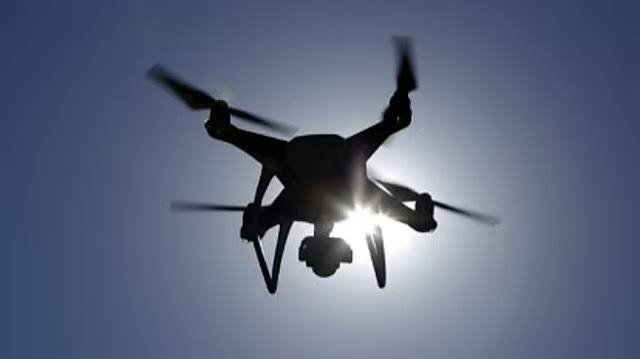
Drone registration essentially gives an eligible drone its official identity within India’s regulatory system.
Rule 13 of the Drone Rules provides that no person shall operate a drone that does not have a Unique Identification Number, unless it is exempted under the rules.
A UIN is linked with identifying information associated with the drone, including relevant serial numbers.
This is why registration should not be viewed simply as a sticker that an owner places on the aircraft. It forms part of the regulatory identification of the drone.
Is Merely Owning an Unregistered Drone Illegal?
This question requires more precision than simply answering “yes.”
Rule 13 specifically prohibits a person from operating a drone without a UIN unless an exemption applies.
Therefore, purchasing, possessing and operating should not automatically be treated as identical legal acts.
For example, someone may own an old drone that is damaged and kept only as a collectible or may possess equipment that is awaiting completion of applicable registration formalities.
The important practical point is that possession of the physical device does not itself establish that you are legally entitled to fly it.
If registration is required for that drone, do not operate it simply because you legally purchased or possess it.
Do All Drones Need a UIN?
The general rule is that a drone must have a UIN before it is operated unless an exemption under the Drone Rules applies.
This makes it important to identify the exact category and regulatory status of the drone rather than relying on statements such as “small drones don’t need registration.”
Drone classifications under the Rules include:
- Nano: up to and including 250 grams;
- Micro: above 250 grams and up to 2 kg;
- Small: above 2 kg and up to 25 kg;
- Medium: above 25 kg and up to 150 kg; and
- Large: above 150 kg.
Different requirements and exemptions can apply according to the aircraft and its use.
Do not confuse an exemption from one regulatory requirement with an exemption from every requirement.
Registration and Remote Pilot Certificate Are Different
Another common mistake is treating drone registration and the pilot’s Remote Pilot Certificate (RPC) as the same thing.
They serve different purposes.
A UIN identifies the drone, while an RPC relates to the qualification of the person operating it where an RPC is required.
The Drone Rules provide exemptions from the RPC requirement for certain operations, including nano drones and micro drones used for non-commercial purposes.
But an exemption from the RPC requirement should not automatically be interpreted as an exemption from registration or every other requirement.
Before flying, an operator should separately check:
- Whether the drone requires a UIN;
- Whether applicable type-certification requirements are satisfied;
- Whether the pilot requires an RPC;
- Whether the airspace permits the proposed flight; and
- Whether any other permission is necessary.
What If You Bought a Drone Online Without Registration?
Buying a drone from an online marketplace does not automatically prove that it is ready for lawful flight.
Before operating it, check the drone’s model, weight category, certification status and UIN requirements.
This becomes especially important with imported, older or non-type-certified drones.
As of 2026, DGCA’s official portal specifically states that registration of non-type-certified (non-TC) UAS is temporarily suspended until further notice.
That can create a practical problem for someone who already owns such a drone but does not have the required registration.
The correct response is not to fly it illegally simply because registration is currently unavailable. The owner should verify the drone’s regulatory status and wait until a lawful route is available where necessary.
Can You Fly an Unregistered Drone in a Green Zone?
Do not assume that a green zone removes the registration requirement.
Green, yellow and red zones primarily concern airspace permissions.
A green zone generally allows compliant drone operations without prior airspace permission, but the operator must still comply with other requirements of the Drone Rules.
Therefore:
Green zone does not mean rule-free zone.
DGCA’s current guidance specifically tells remote pilots to fly DGCA type-certified and registered drones with UINs where those requirements apply.
An unregistered drone does not automatically become lawful to operate merely because the location appears green on Digital Sky.
Can You Register a Second-Hand Drone?
Drone ownership can change, and the Drone Rules contain a mechanism for transferring a registered drone.
The prescribed process requires relevant details concerning the transferor, transferee and UIN to be submitted through the applicable platform so that the transfer can be reflected in official records.
Therefore, if you buy a used drone, do not simply accept the aircraft and start flying.
Verify:
- Its existing UIN;
- Its certification status;
- The identity of the registered owner;
- Whether the ownership transfer has been properly recorded; and
- Whether you satisfy the requirements for operating it.
This also reduces the risk of unknowingly purchasing a drone with an unclear ownership history.
What If You Build Your Own Drone?
A homemade drone is not automatically outside Indian aviation law merely because it was assembled for personal use.
The Drone Rules contain specific exemptions for certain research, development, testing and educational activities. However, those exemptions have defined conditions.
Building a drone at home should therefore not be interpreted as an automatic right to fly it recreationally without registration, certification or operational compliance.
The proposed activity must be checked against the actual exemption provisions.
What Happens If You Fly Without Required Registration?
Operating a drone contrary to the Drone Rules can expose the operator to regulatory action and applicable penalties.
Other consequences can arise if the flight also violates airspace restrictions, interferes with aviation, enters a prohibited area, causes injury or property damage, invades privacy or is connected with another offence.
The legal risk therefore becomes greater when several violations occur together.
A person who owns an unregistered drone should verify its status before the first flight, not after being stopped by authorities.
What Should You Check Before Flying a Newly Purchased Drone?
Before launching it:
- Identify the drone’s exact weight category and model.
- Check whether it requires registration and a UIN.
- Verify applicable type-certification requirements.
- Complete registration where required and available.
- Check whether you need an RPC.
- Verify the current airspace zone before every flight.
- Obtain applicable permission for restricted airspace.
- Maintain Visual Line of Sight unless specifically authorised otherwise.
- Follow safety and privacy requirements.
The most useful distinction is therefore simple: owning a drone does not automatically give you the legal right to operate it. Registration, pilot eligibility and flight permission are separate compliance questions.
FAQs
Q1. Can I keep an unregistered drone at home without flying it?
A. The Drone Rules’ UIN restriction is primarily framed around operating a drone without the required UIN. Merely possessing a drone is therefore different from legally operating it. If your drone requires registration, do not fly it until the applicable requirements are satisfied.
Q2. Can I fly an unregistered drone only on my private property?
A. No. Owning the land does not automatically exempt a drone from aviation requirements. If the drone requires a UIN, flying it over your own private property does not by itself remove that requirement.
Q3. Does a green zone mean I can fly an unregistered drone?
A. No. Green-zone status relates mainly to prior airspace permission. It does not automatically remove applicable registration, certification, remote-pilot, or other regulatory requirements.
Q4. I bought an unregistered drone online. Can I immediately fly it?
A. Not necessarily. Buying a drone and having regulatory permission to operate it are separate matters. Before flying, check the drone’s category, type-certification status, UIN requirements, applicable remote-pilot requirements, and the airspace restrictions for the intended location.