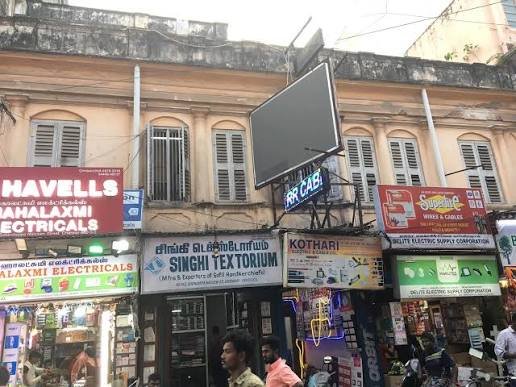
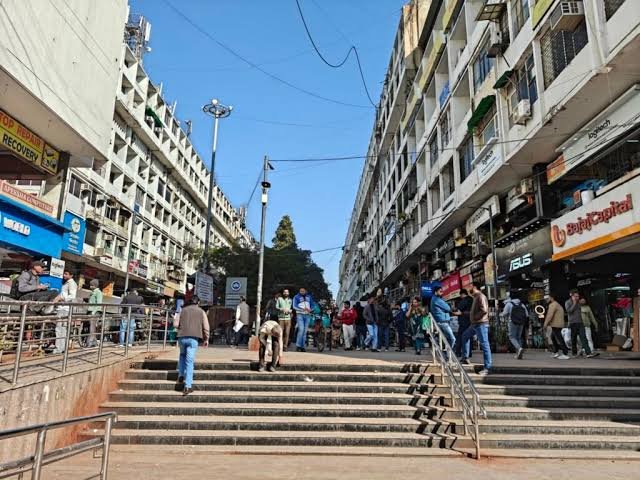
Marquis Street in Dakshineswar is a lively local street located in the vicinity of one of West Bengal’s most revered spiritual destinations — the iconic Dakshineswar Kali Temple. This street serves as a convenient residential and semi-commercial area that supports the large influx of devotees, tourists, and locals who visit the temple daily. It reflects the typical character of areas surrounding major pilgrimage sites in West Bengal — a harmonious blend of spiritual energy, local trade, budget accommodations, eateries, and everyday community life. The street is especially active during major festivals, with devotees, sadhus, and visitors creating a vibrant and spiritually charged atmosphere.
Prime Location in Dakshineswar
Marquis Street is situated in Dakshineswar, a well-known locality in North 24 Parganas district, on the eastern bank of the Hooghly River. It lies close to the Dakshineswar Kali Temple (Bhavatarini Temple) built by Rani Rashmoni in 1855. The street forms part of the dense network of lanes that surround the temple complex, making it highly convenient for pilgrims and visitors.
This strategic location places it near other important landmarks such as the Ramakrishna Paramhansa Museum, the Vivekananda Gateway, and the Hooghly River ghats. The area features a mix of residential buildings, small hotels, guest houses, shops selling puja items, and roadside eateries. Marquis Street primarily caters to local families, temple priests, shopkeepers, and the thousands of daily visitors to the Dakshineswar Temple. The neighbourhood maintains a devotional yet practical character. The presence of the holy river and the grand temple gives the entire area, including Marquis Street, a deeply spiritual aura. Special occasions like Kali Puja, Durga Puja, Snana Yatra, and the birth anniversary of Sri Ramakrishna see massive crowds, transforming the street into a bustling spiritual marketplace.
Excellent Connectivity
Marquis Street benefits from solid connectivity, being part of the well-linked Dakshineswar temple area.
Road Connectivity:
The street connects efficiently to the main Dakshineswar Road and is close to the Barrackpore Trunk Road (BT Road) and the Eastern Metropolitan Bypass. These routes provide smooth access to Central Kolkata, Howrah, and other parts of North 24 Parganas.
Public Transport:
- Bus: Frequent bus services operate from Dakshineswar Bus Stand, connecting to various parts of Kolkata and suburbs.
- Rail: Dakshineswar Railway Station on the Sealdah–Dum Dum–Kalyani line is very close, offering convenient suburban train services.
- Metro: The Dakshineswar Metro Station (Kavi Subhash–Dakshineswar line) has significantly improved connectivity to South and Central Kolkata.
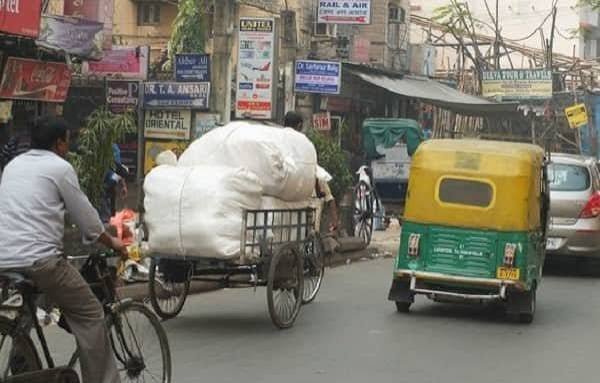
- Other Modes: Ola, Uber, taxis, auto-rickshaws, and e-rickshaws are easily available, especially for temple visitors.
Its location ensures travel times of 30–90 minutes to most parts of Kolkata depending on traffic.
Routes to Reach Marquis Street
Reaching Marquis Street is relatively easy with clear temple-related landmarks:
- From Dakshineswar Metro Station: Short auto or walk (5–10 minutes).
- From Dakshineswar Railway Station: Quick auto ride (5–8 minutes).
- From Sealdah Railway Station: Train to Dakshineswar or cab via BT Road (45–70 minutes).
- From Howrah Station: Cab via Howrah Bridge and BT Road (50–75 minutes).
- From Airport: Cab via VIP Road and EM Bypass (40–60 minutes).
- From Central Kolkata: Metro or cab via Barrackpore Trunk Road (40–60 minutes).
Navigation apps provide good guidance. The narrow lanes around the temple can get congested during peak visiting hours, so using autos or walking from the main road is often the best option.
Gates and Access Points
Marquis Street is an open local street without formal gates. It features multiple natural access points from the main Dakshineswar approach roads and interconnected lanes near the temple. The layout supports heavy pedestrian movement, especially for devotees heading to the Kali Temple.
Many small hotels and guest houses on the street have their own entrances with basic security. The open design allows free movement while the high footfall near the temple creates a lively, devotional environment. Local police and temple authorities manage crowd flow during major festivals. The area is generally considered safe for visitors due to constant footfall and police presence, though standard precautions are recommended during extremely crowded periods.
Facilities and Amenities
Marquis Street offers practical facilities tailored for pilgrims, tourists, and local residents:
Shopping and Retail:
The street has numerous shops selling puja items, flowers, incense, sweets, religious books, and souvenirs. Small provision stores and pharmacies cater to daily needs.
Accommodation:
Several budget hotels, guest houses, and lodges provide convenient stay options for devotees and visitors, many within walking distance of the temple.
Dining:
Local eateries and roadside stalls serve authentic Bengali meals, vegetarian thalis, sweets (especially rosogolla and sandesh), and temple prasadam. Many places offer quick and hygienic food for pilgrims.
Other Amenities:
- ATMs and banks nearby.
- Public and private restrooms in hotels and near the temple.
- Well-lit streets supporting early morning and evening movement.
- Proximity to the Hooghly River ghats for holy dips.
- Basic medical facilities and pharmacies for emergencies.
- Cycle rickshaws and battery-operated vehicles for easy movement around the temple area.
The street remains active from early morning (temple opening time) till late evening, with heightened activity during sunrise and sunset aarti timings.
FAQs
Q1: What is Marquis Street famous for?
It is known for its proximity to Dakshineswar Kali Temple and as a convenient street offering accommodation, puja items, and food for devotees and tourists.
Q2: What are the typical operating hours?
Shops and eateries generally operate from 6:00 AM to 10:00 PM. Temple timings usually start early morning and continue till night.
Q3: Is parking available?
Limited on-street parking is available. Visitors are advised to use designated parking near the temple or arrive by public transport.
Q4: How crowded is Marquis Street?
Moderately busy on normal days. It becomes very crowded during weekends, festivals, and special temple occasions.
Q5: Nearest major transport points?
Dakshineswar Metro Station, Dakshineswar Railway Station, and the main temple bus stand.
Q6: Is it good for temple visitors?
Yes, it is one of the most convenient areas to stay and shop while visiting the Dakshineswar Kali Temple.
Q7: Are there good food options nearby?
Yes, plenty of Bengali vegetarian and non-vegetarian eateries and prasadam stalls.
Q8: Is the area safe?
Generally safe due to high footfall and police presence, especially around the temple. Standard precautions are advised.
Q9: Best time to visit?
Early morning or evening for temple darshan. Avoid peak festival days unless prepared for large crowds.
Q10: Can I combine a visit with other attractions?
Yes — easily combine with Belur Math, Yogodyan, Adyapith, and other temples along the Hooghly River.
Why Visit Marquis Street?
Marquis Street in Dakshineswar offers more than just a place to stay or shop — it provides an immersive experience close to one of Bengal’s most powerful spiritual centres. Its prime location near the Dakshineswar Kali Temple, good public transport connectivity, easy access routes, open neighbourhood layout, and pilgrim-friendly facilities make it highly practical for devotees and tourists alike.
Whether you come for spiritual blessings at the temple, to explore the sacred Hooghly River banks, or to experience the devotional atmosphere of a major Kali shrine, Marquis Street serves as an ideal base. In a fast-urbanizing Kolkata, this area continues to preserve the spiritual heritage and community warmth that define Dakshineswar. Plan your visit early in the day for peaceful darshan, carry comfortable shoes for walking, and embrace the divine energy that has drawn millions to this sacred corner of West Bengal for over 150 years.