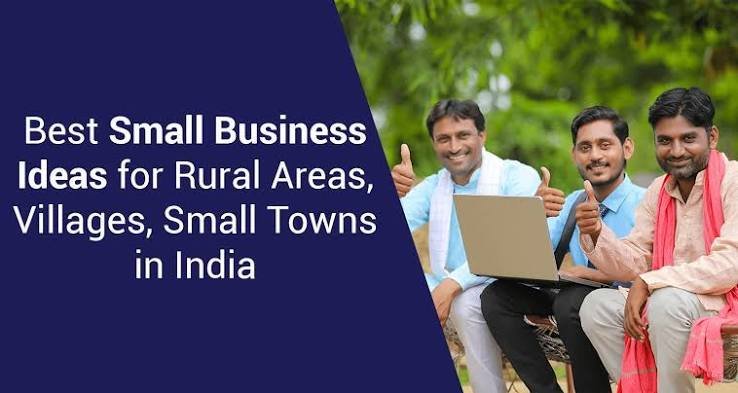
Everyone talks about starting a business in Bangalore or Mumbai, but the real momentum in 2026 has shifted toward smaller cities. Tier 2 and Tier 3 towns now account for over 60% of India’s e-commerce transactions, digital payments in these areas surged 77% last year, and these cities are projected to contribute 45% of India’s GDP by 2026. Combine that growing demand with rent, labour, and operating costs that are a fraction of metro pricing, and small towns have quietly become some of the country’s most attractive places to start a business. Here are five ideas genuinely worth considering, with realistic numbers behind each.
1. Laundry and Dry Cleaning Services
Professional laundry services barely exist in most Tier 3 cities, which is exactly what makes this such a strong opportunity right now.
- Investment typically ranges from ₹3 lakh to ₹8 lakh, with monthly profit potential between ₹40,000 and ₹1 lakh, depending on scale and location
- Franchise brands with turnkey models make entry genuinely straightforward, since they handle much of the operational and technical setup for you
- As dual-income households grow even in smaller cities, demand for time-saving services like laundry grows right alongside them
- A pickup-and-delivery model lets you cover an entire town without needing a prime, expensive retail location
- India’s overall laundry market is worth roughly ₹2.2 lakh crore, yet the vast majority remains unorganized, leaving significant room for a professional operator to capture local demand
2. RO Water Purification and Delivery
Clean drinking water is becoming a genuine concern in many small towns as groundwater quality continues to decline, making this a business built on real, recurring necessity rather than a passing trend.
- The core model involves setting up a small RO purification unit and supplying 20-litre water jars to households, offices, and small restaurants
- This business works precisely because customers need refills every few days, creating a naturally repeatable revenue cycle rather than a one-time sale
- Once you acquire 100 to 150 regular households, revenue becomes genuinely predictable and stable, since you’re essentially running a subscription business without calling it one
- Many operators start with just one RO plant and a small delivery vehicle, or even a modified bike, to distribute jars within a 3–4 km radius
- This is a business that scales gradually and safely — you can expand delivery radius or add a second plant only once your existing customer base is genuinely stable
3. Rooftop Solar Installation and Dealership
Government subsidies are driving massive rooftop solar adoption in smaller cities, and most small towns currently have very few trained installers to meet that demand.
- Investment generally ranges from ₹2 lakh to ₹5 lakh, with monthly profit potential between ₹50,000 and ₹1.5 lakh
- The PM Surya Ghar scheme offers subsidies of up to ₹78,000 for residential installations, which directly lowers the cost barrier for your potential customers and makes your sales pitch genuinely easier
- Getting certified and partnering with a panel supplier is typically enough to get started, without needing to manufacture or stock large amounts of equipment yourself
- Homes in smaller cities often have significantly more rooftop space than metro apartments, giving you a genuinely larger addressable market per household
- Beyond installation, this business builds in recurring maintenance revenue over time, adding a second income stream once your installation base grows
4. Modern, Branded Grocery Store
The classic kirana store isn’t dying — it’s evolving, and the store owners who adapt to changing customer preferences are the ones genuinely winning right now.
- Sales of branded packaged edible oils, rice, and wheat flour in Tier 2 and Tier 3 cities are growing at roughly 15% year-over-year, reflecting a clear customer shift from unbranded to branded goods
- Customers are actively trading up, and the grocery store owner who anticipates and stocks for this shift captures that growing spend before competitors catch on
- Adding home delivery, digital payment options, and a cleaner, more organized shopping experience differentiates you from the traditional kirana format without requiring a complete business model overhaul
- This business benefits from something genuinely durable — groceries are a daily necessity, meaning your revenue isn’t dependent on discretionary spending trends the way many other small-town businesses are
- Starting with a focused upgrade to your existing store, rather than a complete rebuild, is often the more practical entry point if you’re already running or inheriting a traditional grocery shop
5. Gym and Fitness Center
Health and fitness awareness has risen sharply even in smaller towns, and this demand currently outpaces the number of quality fitness options available locally.
- Less competition genuinely matters here — most small towns have few, if any, professionally run fitness centers compared to the saturated gym markets in metro cities
- Offering both individual personal training and group classes helps you serve a wider range of customers than a purely equipment-focused gym
- Membership-based revenue provides predictable monthly income once you’ve built a stable base of regular members
- This business benefits from genuine word-of-mouth momentum in small towns, where community networks and personal recommendations carry more weight than paid advertising
- Best suited for anyone with genuine fitness expertise or the ability to hire qualified trainers, since credibility matters enormously in a market where customers know each other personally
Why Small Towns Genuinely Work Right Now?
A few underlying trends explain why these specific businesses are performing well beyond just lower rent.
- Lower competition across the board — whether it’s laundry, solar installation, or fitness, most of these categories remain genuinely underserved outside major metros
- Government financing has expanded meaningfully — the Mudra Yojana loan ceiling was raised to ₹20 lakh in a recent Union Budget, giving small-town entrepreneurs more accessible funding than ever before
- Digital infrastructure has closed the gap with metros — internet data consumption in Tier 2 and Tier 3 cities grew roughly 30% faster than in metros last year, meaning digital marketing and delivery-based models work just as well here now
- Aspirational spending is genuinely rising — D2C beauty brands saw 70% revenue growth specifically from Tier 3 cities like Guwahati and Rajkot, reflecting real appetite for premium, quality-focused experiences
- Franchise models make entry easier than starting fully independent — India’s franchise market is growing at 20–25% CAGR, with roughly 65% of new franchise outlets now opening specifically in Tier 2 and Tier 3 cities
What to Check Before You Commit?
A profitable category on paper doesn’t guarantee success in your specific town, so a few practical checks matter before investing.
- Confirm your town’s actual population threshold supports the business — some of these ideas work in towns of 50,000 people, while others genuinely need a population of 2 lakh or more to sustain steady demand
- Research whether a similar business already exists locally — even in underserved categories, checking for existing competitors avoids costly overestimation of your addressable market
- Explore government scheme eligibility specific to your business type — PM Surya Ghar for solar, and Mudra Yojana for broader business financing, can meaningfully reduce your upfront capital requirement
- Start with a smaller, testable version before scaling — a single RO plant with local delivery, or one gym location before a second branch, lets you validate genuine demand before committing larger capital
- Factor in realistic customer acquisition timelines — subscription-style businesses like water delivery take time to build a stable base of 100-plus regular households, so plan your cash flow accordingly during that ramp-up period
FAQs
Q1. Which of these five business ideas requires the lowest upfront investment to get started?
A. RO water purification and delivery generally has the lowest realistic entry cost among these five, since you can start with a single RO plant and a modified delivery bike rather than a large facility. Laundry and gym businesses typically require the most upfront capital, given the equipment and space requirements involved.
Q2. How do I know if my specific small town has enough population to support one of these businesses?
A. Water delivery and grocery store upgrades tend to work even in towns with around 50,000 people, since they serve genuinely essential, recurring needs. Laundry franchises, solar dealerships, and gyms typically need a larger base, often 2 lakh people or more, to generate consistent enough demand to sustain the business long-term.
Q3. Are government subsidies like PM Surya Ghar only available in metro cities, or do they apply to small towns too?
A. These schemes are specifically designed to work nationwide, and in fact small towns often see stronger relative impact since the subsidy meaningfully lowers costs for customers who otherwise couldn’t afford solar installation. This is precisely why rooftop solar demand is rising quickly in smaller cities even as trained installers remain scarce there.
Q4. Should I choose a franchise model or start completely independently for something like a laundry or fitness business?
A. A franchise model genuinely reduces risk for first-time entrepreneurs, since it provides an established operational system, brand recognition, and often support with training and initial setup. Starting fully independently can offer higher long-term margins once established, but requires you to figure out systems, sourcing, and customer acquisition entirely on your own, which is riskier without prior business experience.