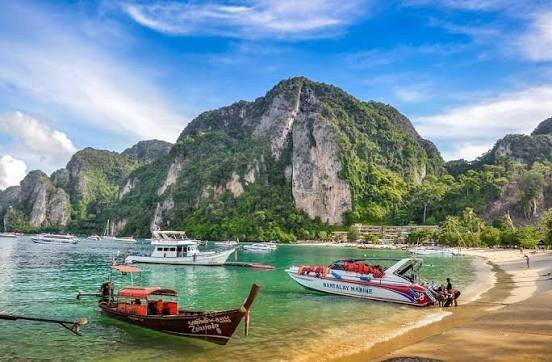
Planning an international holiday from India can feel overwhelming because Asia offers almost every kind of travel experience imaginable. One trip can take you through futuristic cities and ancient temples, while another may involve tropical islands, street-food markets, mountain landscapes or UNESCO-listed ruins.
The real challenge is not finding a beautiful destination—it is choosing one that matches your budget, available leave, preferred weather and travel style. Japan may suit travellers seeking culture and efficiency, Bali is ideal for wellness and nature, Singapore works brilliantly for families, while Vietnam and Thailand offer excellent experiences at comparatively manageable costs. Recent Asia travel guides continue to highlight Japan, Singapore, Thailand, Vietnam, Indonesia and South Korea among the region’s strongest choices.
Here are ten of the best places to visit in Asia, selected to provide a balanced mix of beaches, history, food, nature, entertainment and modern attractions.
Overview of the Best Places in Asia
| Destination | Country | Best Time to Visit | Ideal For |
|---|---|---|---|
| Tokyo and Kyoto | Japan | March–May, October–November | Culture, food and city experiences |
| Bali | Indonesia | April–October | Beaches, wellness and nature |
| Bangkok and Phuket | Thailand | November–February | Food, temples and island holidays |
| Singapore | Singapore | February–April | Families and first-time travellers |
| Hanoi, Hoi An and Ha Long Bay | Vietnam | February–April, October–December | Culture, scenery and affordability |
| Maldives | Maldives | November–April | Honeymoons and luxury island stays |
| Dubai | UAE | November–March | Shopping, entertainment and desert experiences |
| Seoul and Jeju | South Korea | April–June, September–November | Pop culture, food and nature |
| Angkor, Siem Reap | Cambodia | November–February | Ancient temples and history |
| Kuala Lumpur and Langkawi | Malaysia | December–March | Family holidays and beaches |
Weather differs within each country, so check the conditions for your exact cities and islands before booking.
1. Tokyo and Kyoto, Japan
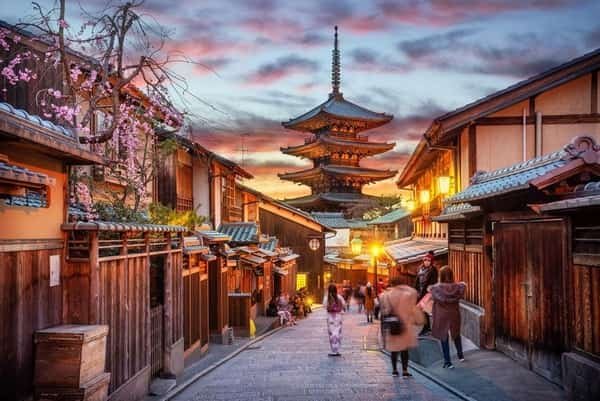
Japan offers one of Asia’s most rewarding combinations of ancient tradition and modern city life. Tokyo is filled with energetic neighbourhoods, observation decks, shopping districts, themed attractions and outstanding food. Kyoto provides a calmer contrast through temples, gardens, traditional streets and seasonal landscapes.
Major experiences include:
- Visiting Senso-ji Temple and Shibuya Crossing
- Exploring Tokyo’s museums and shopping areas
- Walking through Kyoto’s Arashiyama Bamboo Grove
- Seeing Fushimi Inari’s torii gates
- Trying sushi, ramen and regional sweets
Japan is highly organised but can be expensive. Booking accommodation early and using regional transport passes where suitable can help control costs.
2. Bali, Indonesia
Bali appeals to honeymooners, solo travellers, families and wellness seekers. Its attraction goes beyond beaches—the island also offers rice terraces, waterfalls, temples, art villages, cafés and forest retreats.
Ubud is best for culture, yoga and greenery, while Seminyak and Canggu attract visitors interested in restaurants and nightlife. Uluwatu is known for clifftop views, and Nusa Dua offers polished family-friendly resorts.
Popular activities include temple visits, surfing lessons, sunrise hikes and spa treatments. Avoid planning long daily drives because Bali’s traffic can make short distances surprisingly time-consuming.
3. Bangkok and Phuket, Thailand
Thailand is particularly suitable for Indian travellers seeking a lively international holiday with food, shopping, nightlife, beaches and cultural attractions.
Bangkok offers temples, markets, malls, rooftop experiences and river cruises. Phuket provides beaches, resorts and access to nearby islands. Those wanting a quieter trip can consider Krabi, Koh Samui or northern destinations such as Chiang Mai.
The cooler and generally drier period from November to February is widely considered favourable for much of Thailand, although regional weather varies.
4. Singapore
Singapore is one of the easiest Asian destinations for a first family trip abroad. It has efficient public transport, clean public spaces, multilingual communication and attractions suitable for children, adults and senior citizens.
Top experiences include:
- Gardens by the Bay
- Marina Bay waterfront
- Sentosa Island
- Singapore Zoo
- Universal Studios Singapore
- Chinatown and Little India
- Hawker-centre dining
The city can be expensive, but travellers can save by using public transport, eating at hawker centres and selecting free attractions such as neighbourhood walks and waterfront areas.
5. Hanoi, Hoi An and Ha Long Bay, Vietnam
Vietnam offers excellent value for travellers interested in food, history and varied landscapes. Hanoi combines old streets, lakes and traditional cuisine, while Ha Long Bay is known for dramatic limestone formations. Hoi An provides lantern-lit lanes, heritage buildings and a slower riverside atmosphere.
Try local coffee, noodle dishes and guided food walks. Domestic flights and overnight trains make it possible to combine northern, central and southern Vietnam, but covering the entire country in one short trip can feel rushed.
A seven- to ten-day itinerary should ideally focus on one or two regions.
6. Maldives
The Maldives is one of Asia’s most recognised destinations for honeymoons, anniversaries and peaceful beach holidays. Its turquoise lagoons, coral environments and overwater villas create a private island experience that is difficult to match.
However, the Maldives is not limited to expensive resort islands. Local-island guesthouses can provide a more affordable trip, although facilities, dress expectations and alcohol rules differ from private resorts.
Before booking, calculate the full cost of speedboat or seaplane transfers, meals, taxes and activities. A low room price may become expensive after these additions.
7. Dubai, United Arab Emirates
Dubai is a convenient international destination for Indian families, couples and groups because it combines frequent flight connections with shopping, entertainment, beaches and desert experiences.
Major attractions include:
- Burj Khalifa
- Dubai Mall
- Museum of the Future
- Old Dubai and traditional souks
- Desert safari
- Marina cruises
- Theme parks and water parks
November to March generally offers more comfortable weather for outdoor sightseeing. During hotter months, indoor attractions remain accessible, but daytime desert and walking activities may be uncomfortable.
8. Seoul and Jeju, South Korea
South Korea is a strong choice for travellers interested in contemporary culture, skincare, technology, food and seasonal scenery. Seoul combines historic palaces with fashionable districts, markets and modern entertainment.
Jeju Island offers volcanic landscapes, waterfalls, coastal roads and a slower atmosphere. Other rewarding additions include Busan for beaches and Gyeongju for historical sites.
Spring and autumn are especially attractive, though they can also be busy. Travellers interested in Korean pop culture should still leave time for traditional markets, museums and regional cuisine.
9. Angkor and Siem Reap, Cambodia
Siem Reap is the gateway to the Angkor Archaeological Park, one of Asia’s most remarkable historical destinations. Angkor Wat is the best-known temple, but the wider complex includes numerous monuments, forest-covered ruins and detailed stone carvings.
Begin sightseeing early to avoid the strongest afternoon heat. A multi-day temple pass may be more practical than attempting to see everything in one day.
Beyond the temples, visitors can explore local markets, museums and nearby communities. Cambodia works particularly well when combined with Vietnam or Thailand.
10. Kuala Lumpur and Langkawi, Malaysia
Malaysia offers a convenient mixture of modern cities, multicultural food, islands and family attractions. Kuala Lumpur is known for the Petronas Towers, shopping centres, street food and nearby Batu Caves.
Langkawi provides beaches, island tours, cable-car views and resort stays. Families may also consider destinations such as Penang for food and heritage or the Cameron Highlands for cooler weather.
Malaysia is a practical choice for travellers who want the convenience of a modern destination without the higher daily costs associated with some East Asian cities.
How to Choose the Right Asian Destination
Start with your main priority. Choose Japan or South Korea for culture and modern cities, Bali or the Maldives for relaxation, Thailand or Vietnam for value, and Singapore or Dubai for a smooth family holiday.
Also consider the length of your leave. Singapore, Dubai and Bangkok can work for four or five days, while Japan, Vietnam and Bali generally deserve at least seven days.
Never book solely because the airfare appears cheap. Visa costs, airport transfers, local transport, meals and attraction tickets can significantly affect the final budget.
Practical Tips for Indian Travellers
Check passport validity and current visa requirements before paying for non-refundable bookings. Entry conditions can change, so verify them through official government or embassy channels.
Carry a combination of international cards and some local currency. Inform your bank before travelling and understand foreign transaction charges.
Purchase travel insurance, particularly for island trips, adventure activities or journeys involving multiple connections. Respect local clothing rules at temples and religious places, and avoid carrying restricted food, medicines or electronic items without checking customs regulations.
FAQs
1. Which Asian destination is best for a first international trip?
A. Singapore, Dubai, Thailand and Malaysia are practical choices because they offer good connectivity, established tourism facilities and straightforward local transport.
2. Which places in Asia are affordable for Indian travellers?
A. Vietnam, Thailand, Cambodia, Malaysia and selected parts of Indonesia can offer good value. Total cost still depends heavily on flights, travel season and accommodation style.
3. Which destination is best for a family with children?
A. Singapore, Dubai, Japan and Malaysia offer theme parks, modern infrastructure, family hotels and a wide range of organised attractions.
4. How many days are enough for an Asia trip?
A. Four to five days are suitable for a compact city destination. Seven to ten days are better for larger countries or trips combining cities, beaches and cultural attractions.